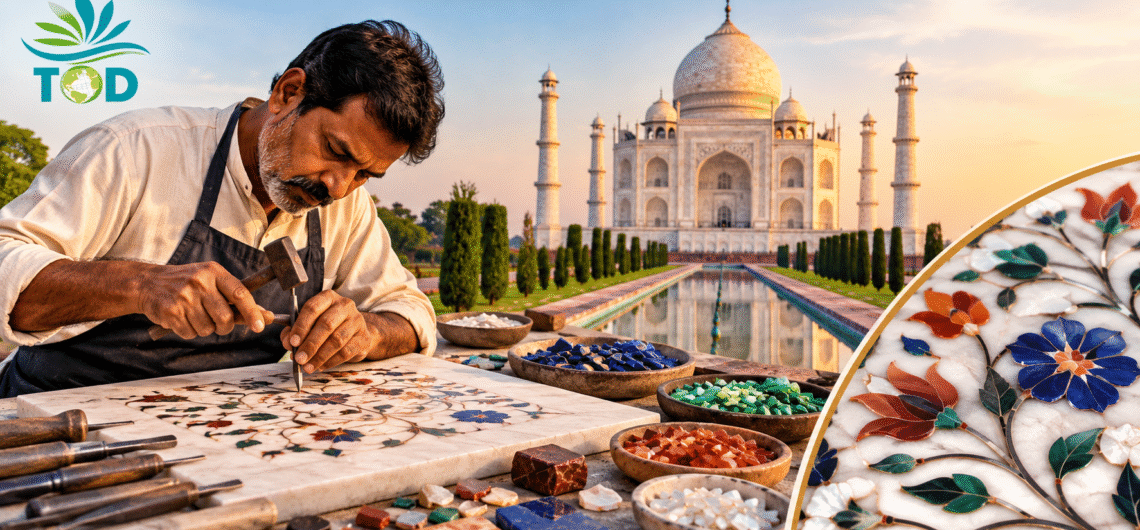
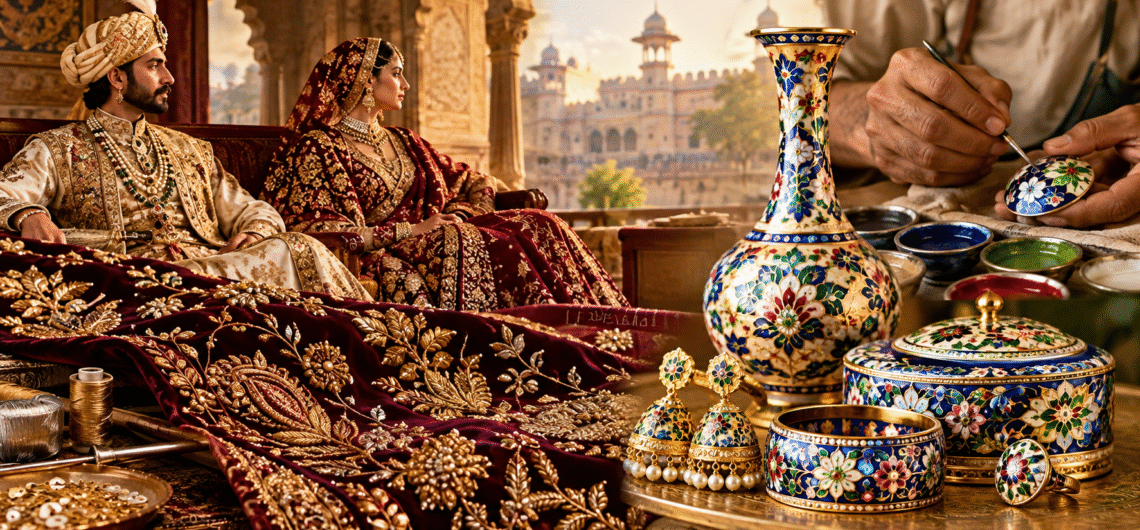
Agra is famous around the world for the Taj Mahal, but the city’s cultural heritage extends far beyond its magnificent monuments. For centuries, Agra has been associated with skilled artisans, traditional craftsmanship, and decorative arts that reflect the beauty of India’s history. Among these remarkable traditions are Zardozi embroidery and Meenakari, two crafts that showcase the creativity, patience, and technical expertise of Indian craftsmen. Also, Agra is worldwide famous for marble inlay work with semi-precious stones.

From luxurious garments decorated with metallic threads to intricate ornaments featuring colourful enamel work, these traditional arts represent a connection between India’s royal past and its living cultural identity. Understanding Zardozi and Meenakari offers visitors another way to appreciate Agra, its Mughal heritage, and the generations of artisans who have preserved these skills.

1. The Historical Background of Zardozi and Meenakari

When you are on the same day Taj Mahal tour or as per the other plan, you will have a chance to see the art and craft. Zardozi and Meenakari developed within India’s long tradition of luxury crafts, supported by royal courts, wealthy patrons, merchants, and skilled artisan communities. Both techniques became closely associated with decorative objects and fine craftsmanship during different periods of Indian history.

The word “Zardozi” comes from Persian roots: “zar,” meaning “gold,” and “dozi,” meaning “embroidery.” The name reflects the traditional use of metallic threads to create elaborate designs on fabric. Zardozi has historical connections with Persian embroidery traditions and flourished under royal patronage in India, particularly during the Mughal period.

When you are on a Golden Triangle Tour, in Jaipur you may also see this art. Meenakari is the art of decorating metal surfaces with coloured enamel. Artisans apply specially prepared enamel to gold, silver, copper, or other suitable metals and use controlled firing to create durable, colourful designs. The technique requires precision because the enamel must be applied and fired carefully to achieve the intended appearance.

Although both crafts have links to royal luxury, they involve different skills. Zardozi transforms fabric through embroidery, while Meenakari adds colour and decoration to metal objects.

2. Zardozi: The Art of Silver and Golden Threads

The art of silver and golden threads is at the heart of Zardozi embroidery. Traditional artisans use metallic threads, decorative wires, sequins, beads, and other embellishments to create rich patterns on fabrics such as velvet, silk, satin, and brocade.

Historically, genuine gold and silver threads were used in some luxury embroidery. Modern Zardozi may use metallic-coated threads and other more affordable materials, allowing artisans to create decorative designs at different price points.

The process begins with a design that is transferred onto the fabric. The cloth is then stretched over a frame to keep the surface firm. Depending on the technique, artisans stitch metallic elements into the fabric or attach decorative materials to create raised patterns.

Common designs include flowers, leaves, vines, paisleys, geometric shapes, and intricate borders. These patterns often reflect the natural world, traditional Indian motifs, and the decorative vocabulary associated with royal clothing.

Zardozi is valued for its texture and depth. The metallic elements catch the light, giving garments and accessories a rich appearance. A single detailed piece may require many hours or even days of careful work, depending on the complexity of the design.

Today, Zardozi is used on bridal lehengas, sherwanis, sarees, wedding accessories, handbags, footwear, cushion covers, and decorative textiles. It remains an important part of Indian wedding fashion and ceremonial clothing.

3. Zardozi, the Dying Art of Agra

Zardozi, the dying art of Agra, is a phrase that reflects concern about the future of traditional embroidery rather than a claim that the craft has disappeared. Zardozi continues to be practised, but its long-term survival depends on whether artisans can earn a sustainable living and pass their knowledge to younger generations.

Agra’s historic connection with the Mughal court helped create an environment in which fine decorative arts could flourish. Royal patronage encouraged specialised crafts, and the movement of artisans, traders, and ideas helped shape the region’s artistic culture.

Over time, Zardozi became part of the broader craft traditions associated with North India. Local embroidery workshops and family-based production systems helped preserve traditional methods, with skills often learned through observation and repeated practice.

However, traditional artisans face several challenges. Machine embroidery can produce decorative patterns more quickly and cheaply than detailed handwork. Customers may struggle to distinguish handmade embroidery from machine-made alternatives, while rising material costs and lengthy working hours can reduce artisans’ earnings.

Younger people may also choose other occupations if traditional embroidery does not provide a reliable income. When experienced craftspeople retire without teaching apprentices, specialised techniques and design knowledge can gradually be lost.

Supporting handmade Zardozi products, choosing work from responsible sellers, and learning about the people behind each piece can help preserve this heritage. Fair payment is especially important because the value of handmade embroidery lies not only in its appearance but also in the skill and time required to produce it.

4. The Clothes of Zardozi Used by the Mughals & Maharajas

The clothes of Zardozi used by the Mughals and Maharajas form an important part of the history of royal Indian textiles. Mughal rulers and members of the court were associated with luxurious clothing made from fine fabrics and decorated with embroidery, woven patterns, and precious materials.

Courtly garments included robes, formal coats, ceremonial clothing, turbans, and other elaborate textiles. Metallic embroidery was one of the techniques used to create visually rich designs suitable for royal occasions and displays of status.

Floral patterns were particularly important in Mughal decorative art. Flowers, curling vines, leaves, and symmetrical compositions appeared in textiles, architecture, manuscripts, and other objects associated with the court. These design traditions influenced the wider development of Indian decorative crafts.

Gold and silver embroidery helped give garments a distinguished appearance. Velvet and silk provided rich backgrounds for metallic details, while carefully placed motifs created contrast and visual depth.

Luxury textiles were not restricted to everyday clothing. Fine embroidered fabrics could also be used for ceremonial coverings, furnishings, accessories, and gifts exchanged among members of royal and aristocratic households.

It is important to recognise that Mughal clothing traditions included many techniques, not Zardozi alone. Brocade weaving, patterned silk, other embroidery styles, and embellished fabrics also contributed to courtly dress. The exact materials and designs varied according to period, region, occasion, and the wealth of the wearer.

Today, bridal designers and traditional textile makers continue to draw inspiration from Mughal-era aesthetics. Modern Zardozi wedding garments preserve the appeal of metallic embroidery while adapting historical motifs to contemporary fashion.

5. The Use of Precious and Semi-Precious Stones in Zardozi

The use of precious and semi-precious stones in Zardozi adds another dimension to the decoration of luxury textiles. In some elaborate garments and accessories, embroidery is combined with beads, crystals, decorative stones, sequins, pearls, and other embellishments.

Historically, high-value courtly textiles and ceremonial objects could feature precious materials, depending on the patron’s wealth and the purpose of the item. However, not every Zardozi garment contained gemstones, and stones are not an essential component of the technique.

Artisans may attach stones or stone-like embellishments using embroidery stitches, metal settings, or specialised decorative techniques. Their placement requires care because the embellishments must remain secure without damaging the fabric.

Bridal wear is a common modern application. Designers often combine metallic threadwork with stones and beads to create detailed borders, heavily decorated sleeves, ornate necklines, and elaborate motifs. The result can be particularly striking under wedding lighting.

The quality of such work depends on more than the materials used. Balanced design, secure attachment, neat stitching, and careful finishing are essential. Genuine gemstones, imitation stones, crystals, and glass embellishments can produce very different results, so buyers should ask sellers to clarify the materials used.

For travellers interested in Indian handicrafts, Zardozi offers an opportunity to explore how textile traditions combine artistry, materials, and cultural symbolism.

6. Meenakari: The Forgotten Skill of the Artisan

Meenakari, the forgotten skill of the artisan, describes a craft whose complexity can be overlooked when people focus only on the finished jewelry or decorative object. Meenakari remains practiced in India, although the visibility and economic security of individual artisan communities vary.

The technique involves decorating a metal surface with coloured enamel. Artisans prepare the object, create or define the design, apply enamel to selected areas, and fire the piece under controlled conditions. Depending on the method and object, several rounds of application and firing may be necessary.

The colours can include blue, green, red, white, and other shades. Traditional designs frequently feature flowers, birds, leaves, and geometric patterns. The contrast between colourful enamel and polished metal creates the distinctive appearance associated with Meenakari.

The craft is used on jewellery, pendants, earrings, bangles, decorative boxes, utensils, and other ornamental objects. Different regions of India have developed their own approaches, materials, and design traditions.

Meenakari is associated with royal and courtly craftsmanship, including traditions that developed through cultural exchange between Persian and Indian artistic practices. It is also important to distinguish Meenakari from Zardozi: one decorates metal with enamel, while the other decorates textiles with embroidery.

The skill requires patience, steady hands, an understanding of colour, and technical knowledge of how enamel behaves during firing. Errors in preparation or heating can affect the finish, making experience especially valuable.

7. The Challenges Faced by Traditional Meenakari Artisans

Traditional Meenakari artisans face many of the same economic pressures experienced by other handmade craft communities. Mass-produced decorative goods compete on price, while buyers may not always understand the difference between skilled enamel work and simpler imitation finishes.

The cost of materials, the time required for production, and access to reliable markets can also affect the viability of small workshops. Artisans who depend on intermediaries may receive only a limited share of the final selling price.

Another concern is the transfer of specialised knowledge. Meenakari involves practical techniques that are difficult to master through written instructions alone. Apprentices benefit from working closely with experienced craftspeople, observing the preparation process, and learning through repeated practice.

Preserving this skill requires more than describing it as a forgotten art. Artisan training, fair compensation, craft exhibitions, direct sales, and transparent product descriptions can help build a stronger future for traditional work.

Although Meenakari has important associations with India’s wider royal craft heritage, buyers should check where an item was actually made. A product sold in Agra is not necessarily manufactured there, and regional techniques should be credited accurately.

8. Zardozi and Meenakari: Two Crafts, One Cultural Heritage

Zardozi and Meenakari demonstrate different ways in which Indian artisans transform ordinary materials into objects of beauty.

Zardozi uses metallic threads, stitches, and decorative embellishments to enrich fabric. Meenakari uses coloured enamel to decorate metal. One depends primarily on textile and embroidery skills, while the other combines design, metalworking, enamel preparation, and controlled firing.

Both crafts have benefited historically from royal patronage and demand for luxury objects. Both also depend on specialised knowledge that develops through years of practice.

Their significance extends beyond appearance. Each handmade piece reflects decisions about design, materials, technique, and finishing. When these crafts are appreciated only as inexpensive souvenirs, the labour behind them can be overlooked.

For visitors exploring Agra, learning about traditional craftsmanship provides a broader understanding of the city’s cultural identity. The Taj Mahal represents the extraordinary achievements of Mughal architecture, while India’s textile and decorative arts reveal another side of the artistic world that flourished around royal courts and urban craft communities.

9. How Travellers Can Support India’s Traditional Artisans

Travellers can contribute to craft preservation by making informed purchasing decisions and showing interest in the people who create handmade products.

  • Choose authentic handmade work: Ask whether a product is hand-embroidered, machine-made, or a combination of both.
  • Learn about the materials: Check whether metallic threads contain real gold or silver, and whether decorative stones are natural, synthetic, or imitation.
  • Ask about the maker: Responsible sellers may be able to explain the workshop, artisan community, production method, or region of origin.
  • Pay a fair price: Detailed handmade work requires time, experience, and careful finishing.
  • Share the story: Responsible travel writing and respectful photography can help more people appreciate traditional Indian craftsmanship.

These simple actions can encourage greater recognition of India’s craft traditions and the people who keep them alive.

Conclusion: Discover the Artisans Behind India’s Heritage

Agra’s cultural story is not limited to monuments and historic buildings. It also connects with the wider artistic traditions of India, including the metallic embroidery of Zardozi and the colourful enamel work of Meenakari.

From the art of silver and golden threads to the careful application of enamel, these crafts reveal the patience and creativity required to transform materials into intricate works of art. Their historical associations with royal clothing, decorative objects, and courtly tastes make them valuable subjects for anyone interested in India’s past.

For Tours on Demands, exploring these traditions offers travellers a richer way to understand India’s living heritage. By appreciating handmade work, learning about its makers, and supporting responsible craft businesses, visitors can help ensure that traditional skills continue to inspire future generations.

Explore Agra beyond the Taj Mahal with Tours on Demands and discover the stories, craftsmanship, and cultural traditions that make India unique. Visit https://www.toursondemands.in/ to learn more about experiences in Agra and destinations across India.

Agra is famous around the world for the Taj Mahal, but the city’s artistic heritage extends far beyond its magnificent white marble dome. Hidden within the monument’s delicate floral patterns is a centuries-old tradition of stone craftsmanship that continues to inspire visitors, artists, and historians. Known internationally as pietra dura and traditionally in India as pachhikari or parchin kari, this intricate art transforms ordinary marble into extraordinary works of beauty.

The marble inlay work at the Taj Mahal in Agra reflects the creativity, patience, and technical knowledge of generations of craftsmen. Using carefully shaped pieces of coloured stone, skilled artisans create flowers, leaves, vines, and geometric designs that appear to grow naturally from the marble surface.

For travellers visiting the Taj Mahal, understanding this traditional art adds another dimension to the experience. In this guide, Tours on Demands explores the history of pietra dura, the techniques behind the art work in Taj Mahal, and the artisans who continue to preserve Agra’s artistic legacy.

What Is Marble Inlay Work?

Marble inlay work is a decorative technique in which small pieces of coloured or semi-precious stone are cut and fitted into a carefully prepared surface of marble. The pieces form detailed designs, including floral motifs, leaves, vines, and decorative borders.

Unlike painting, which adds colour to a surface, this technique incorporates stone into the marble itself. When finished and polished, the different materials create a smooth, elegant design that appears almost like a natural part of the stone.

Agra is especially famous for this craft because of its association with Mughal architecture and the Taj Mahal. Local artisans continue to produce decorative tabletops, trays, jewellery boxes, coasters, and other handcrafted objects using traditional methods.

The quality of the finished piece depends on several factors, including the selection of stones, precision of cutting, accuracy of fitting, and final polishing.

History of Pietra Dura and the Taj Mahal

The story of pietra dura combines international artistic influences with the extraordinary achievements of Mughal-era craftsmen.

Pietra dura is an Italian term meaning “hard stone.” The technique became particularly prominent in Florence, Italy, during the Renaissance, where artists used carefully cut stones to create intricate decorative compositions.

During the Mughal period, decorative stone inlay developed into an important feature of Indian architecture. Under Emperor Shah Jahan, who commissioned the Taj Mahal in memory of his wife Mumtaz Mahal, the technique reached remarkable levels of sophistication.

Construction of the Taj Mahal began in the 17th century, and the main mausoleum was completed in 1648, with other parts of the complex finished later. Artisans from different regions contributed specialised skills, including stone cutting, marble carving, calligraphy, and decorative inlay.

The result was a monument in which architecture and craftsmanship work together. Its symmetrical design provides a grand setting for the delicate details of the marble surfaces.

Today, the Taj Mahal remains one of the finest places to appreciate the historic development of pietra dura and its enduring influence on Agra’s handicraft industry.

Art Work in Taj Mahal: Where to See the Finest Details

The Taj Mahal is admired for its proportions and white marble architecture, but its decorative details deserve equal attention.

1. Floral Patterns on Marble Surfaces

Flowers and plants are among the most recognisable motifs in the monument’s inlay work. Artisans used different coloured stones to represent petals, leaves, and stems with remarkable precision.

The designs are carefully balanced, creating a natural appearance while maintaining the symmetry associated with Mughal art.

2. Semi-Precious Stones Inlaid in Marble

One of the most fascinating features of the Taj Mahal is the use of coloured stones within white marble. Materials documented in descriptions of its decoration include jasper, carnelian, jade, lapis lazuli, and other ornamental stones.

Each material contributes a distinctive colour and texture. Red and orange stones can represent flower petals, green stones suggest foliage, and blue stones introduce contrast.

The semi-precious stones inlaid in marble are not simply decorative additions. Their shapes and colours are selected to work together as part of a larger artistic composition.

3. Decorative Panels and Borders

The marble surfaces feature detailed borders, flowing vines, and ornamental panels. These patterns frame architectural elements and complement the monument’s calligraphy and carved details.

Look closely at the floral designs when visiting the Taj Mahal. You will notice that their beauty comes from the combination of small individual pieces rather than a single painted image.

4. The Cenotaphs Inside the Main Mausoleum

The cenotaphs associated with Mumtaz Mahal and Shah Jahan display particularly refined decorative work. Their floral motifs and intricate inlays demonstrate the high level of skill achieved by Mughal lapidaries.

Visitors should follow monument rules and avoid touching the historic surfaces.

Art of Pachhi Kari: How Skilled Artisans Create Inlay Designs

The art of pachhi kari, also known as parchin kari, involves considerable planning and manual skill. Even a small decorative object can require many hours of careful work.

Although methods vary between workshops and projects, the process generally includes the following stages.

Step 1: Selecting the marble and stones

The artisan chooses a suitable marble base and coloured stones according to the intended design. Colour, hardness, thickness, and the natural appearance of each material influence the final result.

Step 2: Drawing the design

A floral pattern, leaf, border, or geometric composition is prepared. The design must be divided into individual shapes that can be cut from the selected stones.

Step 3: Cutting the marble surface

The outlines are transferred to the marble, and small recesses are created to receive the inlay pieces. This stage requires careful control because the stone can crack or chip if handled incorrectly.

Step 4: Shaping the stone pieces

The artisan cuts and shapes tiny fragments of coloured stone to match the individual spaces. Curved petals and narrow leaves are particularly challenging because even small inaccuracies can affect the overall design.

Step 5: Fitting the inlays

Each piece is fitted into its corresponding recess. The pieces must sit securely and align correctly with the surrounding design.

Step 6: Finishing and polishing

The surface is smoothed and polished until the inlay and marble form a refined finish. The completed design reveals the colours and details of the stones.

This process demonstrates why authentic marble inlay work depends on experience and patience rather than machinery alone.

Craftsmen and Craftsmanship: The People Behind the Art

The history of the Taj Mahal is often associated with Emperor Shah Jahan, but its artistic achievements were made possible by the craftsmen who designed, shaped, and assembled its many components.

Historical accounts describe a diverse workforce that included stonecutters, sculptors, lapidaries, calligraphers, masons, and other specialists. Their knowledge came from different regions and artistic traditions.

Over generations, Agra developed a lasting reputation for marble craftsmanship. Skills were passed from experienced artisans to younger members of their families and workshops. Today, traditional inlay work remains an important part of the city’s handicraft identity.

Modern artisans must balance tradition with the practical demands of contemporary production. Creating a small souvenir and producing a complex, high-quality marble panel require different levels of time and precision.

The best examples of this craft reveal the artisan’s understanding of colour, proportion, stone behaviour, and fine detailing.

Supporting genuine handmade work helps sustain these skills and gives visitors a deeper connection to Agra’s living cultural heritage.

Where Can You See Marble Inlay Work in Agra?

The Taj Mahal is the most famous place to appreciate historic pietra dura, but it is not the only monument in Agra associated with decorative stonework.

Itimad-ud-Daulah’s Tomb, often called the Baby Taj, is particularly worth visiting. Built between 1622 and 1628, it is an important earlier Mughal monument featuring extensive pietra dura decoration.

Agra’s traditional handicraft workshops and marble shops also offer opportunities to observe or purchase modern examples of the craft. If you wish to see a demonstration, ask whether artisans work on the premises and whether visitors are permitted to watch.

When purchasing an item, ask about the materials used, whether the piece is handmade, and how it was produced. Prices can vary depending on the size, stone quality, design complexity, and amount of labour involved.

Best Way to Explore Agra’s Marble Craft Heritage

A well-planned Agra visit can combine the Taj Mahal’s architectural beauty with the city’s wider artistic traditions.

Begin with the Taj Mahal to appreciate its original marble inlay and floral designs. Continue to Agra Fort to explore another important chapter of Mughal history. If time permits, visit Itimad-ud-Daulah’s Tomb to see another significant example of decorative stonework.

You can also include a visit to a reputable local workshop to learn about contemporary marble craftsmanship. Choose workshops that explain their techniques clearly and allow you to explore.

Tours on Demands can help you explore tour options for Agra and plan a visit around its famous monuments and cultural attractions.

Conclusion: Discover the Living Art of Agra

The marble inlay work of Agra is much more than a decorative feature of the Taj Mahal. It is a testament to the imagination, technical knowledge, and dedication of the artisans who helped create one of the world’s most admired monuments.

From the delicate floral patterns of pietra dura to the traditional art of pachhi kari practised by contemporary craftsmen, this heritage connects Mughal-era artistry with modern Indian handicrafts.

When you visit the Taj Mahal, take time to look beyond its grand dome and magnificent architecture. Observe the coloured stones, fine borders, and intricate floral details that reveal the extraordinary skill behind the marble.

Plan your visit with Tours on Demands and discover the architectural wonders, traditional crafts, and cultural heritage that make Agra a memorable destination.

Explore available tour packages at www.toursondemands.in and experience the artistic legacy of the Taj Mahal and Agra.

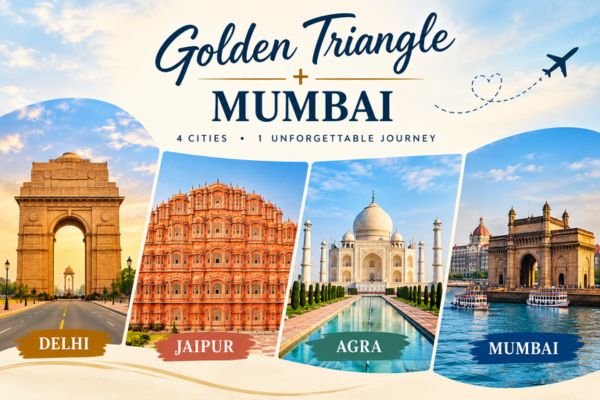
A visit to India is often filled with exciting places, but the Taj Mahal in Agra is one experience many travellers do not want to miss. If you have limited time, a same day Agra tour is a convenient way to explore the Taj Mahal and other important attractions without changing hotels or extending your trip.

Tours on Demands offers flexible options for travellers looking for a Same Day Agra Tour from Delhi, Jaipur, or Mumbai. Depending on your starting city, the journey can be arranged by private car, train, or flight connections, allowing you to experience Agra even when your India itinerary is short.

Agra is more than just the Taj Mahal. The city has a rich Mughal history, impressive architecture, traditional handicrafts, local food, and several historical monuments. A well-planned day trip gives you enough time to discover the highlights while returning to your original destination on the same day.

Same Day Agra Tour from Delhi

A Same Day Agra Tour from Delhi is one of the most popular ways to visit the Taj Mahal. Delhi and Agra are connected by modern highways and fast train services, making a day trip practical for visitors staying in Delhi, Gurgaon, or Noida.

taj mahal tour package

For a private car tour, the journey normally starts early in the morning. Your driver can pick you up from your hotel, airport, or another convenient location. The drive to Agra gives you the flexibility to stop when required and travel according to your preferred schedule.

On reaching Agra, your local guide can accompany you to the Taj Mahal. Built by Mughal emperor Shah Jahan in memory of Mumtaz Mahal, this iconic monument is famous for its white marble architecture and detailed craftsmanship.

After visiting the Taj Mahal, continue to Agra Fort, another important Mughal monument. Its massive walls, courtyards, palaces, and historic chambers offer a different perspective on Agra’s royal past.

Depending on your available time, you may also visit Itmad-ud-Daulah’s Tomb, often associated with the development of the architectural style that later became prominent in Mughal monuments.

After sightseeing, you can enjoy lunch at a local restaurant before beginning your return journey to Delhi.

Why choose a Delhi to Agra day trip?

A same day trip from Delhi is particularly suitable for travellers who:

  • Have only one free day in their itinerary
  • Want to see the Taj Mahal without staying overnight in Agra
  • Prefer a private vehicle and flexible sightseeing
  • Are staying in Delhi, Gurgaon, or Noida
  • Want to combine the Taj Mahal with Agra Fort

The biggest advantage is convenience. You can experience the highlights of Agra and return to your hotel in Delhi on the same day.

Same Day Agra Tour from Jaipur

Jaipur is another popular starting point for an Agra day trip, especially for travellers following the classic Golden Triangle of Delhi, Agra, and Jaipur.

A Same Day Agra Tour from Jaipur can be arranged by private car according to your travel schedule. An early departure is recommended because it allows more time for sightseeing in Agra before returning to Jaipur.

The route from Jaipur to Agra also provides an opportunity to experience the changing landscape of Rajasthan and Uttar Pradesh. Depending on your itinerary, you may choose to visit the Taj Mahal first and then explore Agra Fort.

For travellers interested in Mughal history, Agra Fort is an important addition to the itinerary. If time permits, other attractions can be discussed with your tour planner.

This option is especially useful for people who are already travelling through Rajasthan and do not want to spend an additional night in Agra.

Jaipur to Agra day trip for Golden Triangle travellers

If your India holiday includes Delhi and Jaipur, adding Agra creates a natural Golden Triangle itinerary.

A typical route can be:

Delhi → Jaipur → Agra → Delhi

or

Delhi → Agra → Jaipur → Delhi

The exact order can be adjusted depending on your hotel bookings, transportation, and flight schedule.

Travellers should plan an early start from Jaipur and allow sufficient time for the return journey. Road conditions and traffic can affect travel time, so a realistic itinerary is more useful than trying to fit too many attractions into one day.

Golden Triangle with Mumbai

Same Day Agra Tour from Mumbai

A Same Day Agra Tour from Mumbai requires more planning because Mumbai is considerably farther from Agra than Delhi or Jaipur.

For travellers starting in Mumbai, the most practical approach is usually to use a suitable flight connection to reach the Delhi or Agra region and then continue the sightseeing programme by private vehicle. The exact arrangement depends on available flight schedules and the traveller’s preferred timings.

Because air travel involves airport transfers, security checks, and possible schedule changes, a Mumbai-to-Agra day trip should be planned carefully. It is important to allow enough time for sightseeing rather than creating an itinerary that is too rushed.

Travellers with a little more flexibility may find an overnight Agra stay more comfortable. However, if your India holiday is tightly scheduled and the Taj Mahal is a priority, a carefully planned same day arrangement can still be considered.

Is a Mumbai to Agra day trip suitable for you?

This option can work well for travellers who:

  • Have a short stay in India
  • Are visiting Mumbai but want to see the Taj Mahal
  • Prefer a customized itinerary
  • Are comfortable with an early start and a long travel day
  • Have flexible flight connections

For international visitors, we recommend confirming flight timings before finalising the sightseeing schedule.

What Can You See in Agra in One Day?

A well-organized same day Agra itinerary can cover the city’s most important attractions without making the experience unnecessarily rushed.

Taj Mahal

The Taj Mahal is the main highlight for most visitors. Its white marble façade, gardens, symmetrical design, and detailed decorative work make it one of India’s most recognised monuments.

Early morning visits are particularly appealing for travellers who enjoy softer light and a quieter atmosphere.

Agra Fort

Agra Fort provides insight into the political and royal history of the Mughal Empire. The complex contains impressive gates, courtyards, palaces, and viewpoints.

Its location also provides memorable views towards the Taj Mahal from selected areas of the fort.

Itmad-ud-Daulah

If your schedule allows, Itmad-ud-Daulah can be added to your Agra sightseeing programme. The smaller marble monument is known for its delicate decorative work and is an interesting stop for travellers who want to explore more than the city’s most famous landmark.

What Is Included in a Same Day Agra Tour?

The inclusions depend on the package and transportation option selected. A private tour with Tours on Demands can be customized according to your requirements.

Depending on the package, services may include:

  • Private air-conditioned vehicle
  • Hotel or airport pickup and drop-off
  • Professional local guide
  • Sightseeing according to the selected itinerary
  • Bottled drinking water
  • Assistance during the tour

Entrance fees, meals, accommodation, and other personal expenses may vary according to the selected package. Travellers should check the final itinerary and inclusions before booking.

Best Time for a Same Day Agra Tour

Agra can be visited throughout much of the year, but the experience can vary with the season.

The cooler months are generally comfortable for sightseeing, while summer can be very hot during the daytime. If travelling during warmer months, an early start can make the day more comfortable.

Winter mornings can sometimes have fog, particularly in northern India. Travellers planning an early road or train journey should therefore allow some flexibility.
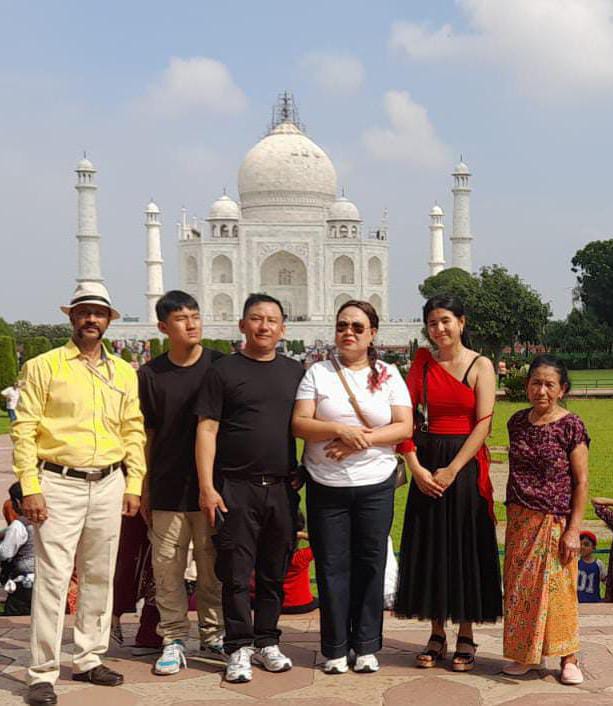
It is also important to check the monument’s current visiting rules and closure information before travelling.

Tips for Planning Your Agra Day Trip

A little preparation can make a major difference when you have only one day.

Start early: An early departure gives you more sightseeing time and reduces the pressure on your schedule.

Choose the right transport: Private cars provide flexibility, while train or flight combinations can be useful for longer distances.

Keep the itinerary realistic: Trying to visit too many monuments can make a one-day trip tiring. Prioritise the places that matter most to you.

Carry essentials: Comfortable shoes, sunglasses, sunscreen, and drinking water can be useful during sightseeing.

Confirm monument timings: Opening hours, entry rules, and closures can change, so verify the latest information before your visit.

Allow travel time: Traffic, weather, road conditions, and transport schedules can affect your journey.

Why Book Your Agra Day Trip with Tours on Demands?

A good day tour is not simply about reaching Agra and visiting the Taj Mahal. It is about making the most of limited time while keeping the journey comfortable and organised.

Tours on Demands provides customised travel arrangements for visitors exploring Agra from different Indian cities. Our team can help coordinate transportation, local sightseeing, guides, and itinerary planning according to your requirements.

Whether you are travelling from Delhi, Jaipur, or Mumbai, the itinerary can be planned around your available time and preferred travel style.

Plan Your Same Day Agra Tour

The Taj Mahal is one of those places that many travellers remember long after their India holiday has ended. Even if your schedule does not allow an overnight stay in Agra, a thoughtfully planned day trip can give you the opportunity to experience this remarkable city.

A Same Day Agra Tour from Delhi is ideal for travellers staying in the capital region. A Same Day Agra Tour from Jaipur works well for visitors exploring Rajasthan and the Golden Triangle. For travellers based in Mumbai, a flight-based customised arrangement can make an Agra visit possible when time is limited.

From the Taj Mahal and Agra Fort to local culture and Mughal history, Agra offers much more than a single photograph. Plan your journey around realistic travel times, choose the attractions that interest you most, and leave enough room to enjoy the experience.

For customised Agra tour packages from Delhi, Jaipur, Mumbai, and other destinations in India, contact Tours on Demands and discuss your preferred travel dates, transportation, sightseeing requirements, and group size.

The Taj Mahal is one of India’s most celebrated landmarks, attracting travellers from around the world with its white marble architecture, beautiful gardens, and timeless love story. However, the experience of visiting this UNESCO World Heritage Site can vary significantly depending on the weather, visibility, crowd levels, and time of day.

If you are planning an Agra trip, choosing the right month can help you enjoy the monument more comfortably and capture memorable photographs. Whether you prefer a Same Day Agra Tour, a Sunrise Taj Mahal Tour, or an overnight stay in Agra, understanding the seasons will help you plan a better journey.

In this month-by-month guide, Tours on Demands explains when to visit the Taj Mahal, what to expect throughout the year, and how to choose a suitable tour according to your travel preferences.

What Is the Best Time to Visit the Taj Mahal?

The best time to visit the Taj Mahal is generally from October to March, when Agra usually experiences cooler weather than during the summer months. These months are suitable for sightseeing, exploring Agra Fort, visiting local markets, and enjoying a more comfortable day outdoors.

October and November often bring pleasant daytime conditions, while December and January can be cold and foggy, particularly in the early mornings. February and March are also popular months for sightseeing before temperatures begin rising.

For the best experience, consider these general recommendations:

  • Best season: October to March for relatively comfortable sightseeing.
  • Best time of day: Early morning for softer light and potentially smaller crowds.
  • Best for photography: Sunrise or late afternoon, depending on weather and visibility.
  • Best for budget-conscious travellers: Consider the hotter summer or monsoon months, when demand may be lower, but compare actual hotel and transport prices.
  • Best for a relaxed itinerary: An overnight Agra trip that allows time for more than one sightseeing session.

The ideal time also depends on your priorities. If you want to photograph the Taj Mahal in the early morning, plan around sunrise and check local weather conditions before travelling.

Month-by-Month Guide to Visiting the Taj Mahal

January: Winter Mornings and Beautiful Architecture

January is one of the coldest months in Agra. Daytime sightseeing can be pleasant when the sun is out, but early mornings may be chilly, and fog can sometimes affect visibility.

A Sunrise Taj Mahal Tour can be rewarding on a clear morning, although heavy fog may temporarily obscure distant views of the monument. Carry warm clothing, especially if you are travelling from Delhi before dawn.

Travel tip: Keep some flexibility in your morning schedule if photography is your main priority.

February: A Comfortable Month for Sightseeing

February is generally a good month to explore Agra because daytime temperatures often become more comfortable. The weather can be suitable for walking through the Taj Mahal gardens, exploring Agra Fort, and visiting other local attractions.

It is also a popular period for tourists, so advance planning is helpful during busy dates.

Travel tip: Choose a Same Day Taj Mahal Tour if you have limited time, or stay overnight if you prefer a slower sightseeing schedule.

March: Pleasant Weather Before Summer

March offers a transition from winter to warmer weather. Early mornings are often comfortable, while afternoons gradually become hotter as the month progresses.

This is a suitable time to combine the Taj Mahal with Agra Fort and other attractions without the intense heat commonly experienced later in the year.

Travel tip: Start sightseeing early and carry drinking water for your journey.

April: Rising Temperatures and Early Starts

April marks the beginning of the hotter season in Agra. Afternoon temperatures can rise considerably, making prolonged outdoor sightseeing less comfortable.

The Taj Mahal can still be visited during this month, but an early start is advisable. Plan indoor breaks where possible and avoid spending too much time in direct sunlight during the hottest part of the day.

Travel tip: A private Same Day Agra Tour can help you organise transport and sightseeing around the weather.

May: Hot Weather and Careful Planning

May is usually one of the hottest months in Agra. Strong sunshine and high temperatures can make midday sightseeing tiring, particularly for families with children and older travellers.

Visitors who choose May should prioritise early-morning sightseeing, lightweight clothing, sunscreen, and regular hydration.

A Sunrise Taj Mahal Tour may be more comfortable than visiting during the afternoon, provided visibility and local conditions are favourable.

Travel tip: Confirm your pickup arrangements in advance and allow time to rest between attractions.

June: Summer Heat and the Start of Monsoon Conditions

June can bring intense heat, although temperatures and rainfall patterns vary as the month progresses. Monsoon conditions may begin to develop, but the arrival and intensity of rain are not guaranteed.

If you plan to visit during June, avoid unnecessary midday outdoor activities and keep an eye on the weather forecast.

Travel tip: Consider a flexible itinerary and confirm transport arrangements before departure.

July: Monsoon Showers and Green Gardens

July is generally part of Agra’s monsoon season. Rain showers, high humidity, and cloudy skies can affect outdoor sightseeing. However, the gardens around the Taj Mahal may look especially fresh after rainfall.

Wet pathways and sudden showers can make walking less convenient, so carry an umbrella or light raincoat.

Travel tip: Keep your camera protected and allow extra time for travelling between attractions.

August: Rain, Humidity, and Changing Views

August typically brings monsoon weather, with periods of rain and humid conditions. Cloud cover can create attractive photographic opportunities, although heavy rain may disrupt plans.

The Taj Mahal remains a memorable attraction in this season, but the experience depends on the weather on your chosen date.

Travel tip: Check the forecast before leaving your hotel and keep an alternative sightseeing plan ready.

September: The Transition Towards Better Weather

September is a transition month as the monsoon gradually retreats. Rainfall can continue, but conditions often begin changing towards the end of the month.

The combination of changing skies and greener surroundings can appeal to photography enthusiasts. However, humidity and unpredictable showers may still affect comfort.

Travel tip: If your dates are flexible, compare the late-September forecast with conditions in October before finalising your trip.

October: The Beginning of the Popular Travel Season

October is often an excellent month to visit the Taj Mahal. The monsoon generally retreats around this period, and the weather begins becoming more suitable for outdoor exploration.

Visitors can plan a sunrise visit, explore Agra Fort, and enjoy the city’s food and handicraft markets. Tourist numbers may increase during holidays and festive periods.

Travel tip: Book transport and accommodation early for popular travel dates.

November: Comfortable Days and Excellent Sightseeing Opportunities

November is usually a favourable month for exploring Agra. The weather often remains comfortable for walking, photography, and visiting multiple attractions in a single day.

It is a good choice for couples, families, international visitors, and travellers combining Agra with Delhi and Jaipur.

Travel tip: A Same Day Agra Tour works well for visitors on a tight schedule, while an overnight trip gives you more flexibility.

December: Winter Atmosphere and Festive Travel

December brings cooler weather and the beginning of winter fog conditions. Some mornings may offer clear views, while others can have reduced visibility.

The pleasant daytime conditions are often suitable for exploring Agra, but warm layers are useful for early starts. Holiday periods can also be busy, so make arrangements ahead of time.

Travel tip: If you are booking a Sunrise Taj Mahal Tour, keep in mind that the actual view depends on morning visibility.

Sunrise vs Sunset: Which Taj Mahal Experience Should You Choose?

The time of day can make a major difference to your visit. Both sunrise and late-afternoon visits have their own appeal.

Sunrise Taj Mahal Tour

A Sunrise Taj Mahal Tour is a popular choice for visitors who want to experience the monument in the early morning. The soft light can create beautiful colours on the white marble, and an early start may help you avoid some of the later crowds.

However, sunrise visibility varies with the season. Winter fog can obscure the monument, so it is worth checking the forecast and keeping expectations flexible.

This option is particularly suitable for photographers, couples, and travellers who want to explore Agra before the day becomes too hot.

Sunset Taj Mahal Tour

A Sunset Taj Mahal Tour offers the opportunity to see the monument in the late-afternoon light. The changing colours can be attractive for photography, particularly when skies are clear.

Remember that the Taj Mahal’s visitor opening hours and permitted entry times determine how late you can remain inside the complex. For a sunset view from outside the main complex, Mehtab Bagh across the Yamuna River is another option, subject to its opening hours and applicable entry rules.

If your main goal is to watch the changing evening light, plan your location and timing in advance rather than assuming the main monument remains open until sunset.

Same Day Agra Tour or Overnight Taj Mahal Tour?

Your available time is just as important as the season when planning a visit.

Same Day Agra Tour

A Same Day Agra Tour is suitable for travellers who have limited time in India or are staying in Delhi or Jaipur. Depending on your starting point, transport, and itinerary, you can plan to visit the Taj Mahal and Agra Fort in one day.

Starting early is especially helpful during warmer months. Visitors travelling from farther away should carefully compare road or rail journey times before selecting a day trip.

Overnight Taj Mahal Tour

An Overnight Taj Mahal Tour is ideal for visitors who prefer a more relaxed experience. Staying in Agra gives you the flexibility to plan an early-morning visit and explore additional attractions without trying to fit everything into one day.

An overnight itinerary can include the Taj Mahal, Agra Fort, local markets, and other attractions depending on your interests and available time.

Which should you choose? Select a same-day trip for convenience and a shorter schedule. Choose an overnight trip if you want more flexibility, a slower pace, and a better opportunity to plan visits at different times of day.

Practical Tips for Planning Your Taj Mahal Visit

Before travelling to Agra, keep these useful points in mind:

  • Check the weekly closure: The Taj Mahal is closed to regular visitors every Friday. Plan your dates accordingly.
  • Check the weather forecast: Fog, heat, rainfall, and cloud cover can affect the experience.
  • Verify opening hours: Confirm official visiting hours and ticket availability for your travel date.
  • Wear comfortable footwear: You may spend considerable time walking through the complex.
  • Carry essentials: Bring water where permitted, sun protection, and seasonal clothing.
  • Plan transport in advance: Confirm your pickup point, journey duration, and return arrangements.
  • Follow monument rules: Check current security restrictions and permitted items before entering.
  • Allow enough time: Avoid scheduling your visit so tightly that a transport delay could disrupt your plans.

For the latest visitor information, consult the official Archaeological Survey of India or authorised ticketing resources before departure.

Plan Your Agra Journey with Tours on Demands

Choosing the right month and tour format can make your Taj Mahal visit more comfortable and memorable. October to March is generally a good period for sightseeing, while the summer and monsoon seasons can also work with suitable preparation.

Whether you are interested in a Same Day Agra Tour, a Same Day Taj Mahal Tour, an Overnight Taj Mahal Tour, a Sunrise Taj Mahal Tour, or a Sunset Taj Mahal Tour, plan your itinerary around the weather, travel time, and attractions you want to explore.

Tours on Demands can help you explore travel options for Agra and India’s famous cultural destinations.

Visit Tours on Demands to explore available tour packages and plan your Taj Mahal experience.

Make your Agra visit memorable by choosing the right season, starting at the right time, and leaving room to enjoy the beauty and history of the Taj Mahal.

India is known for its historic monuments, colourful cities, rich culture, and beautiful landscapes. But beyond the Taj Mahal, forts, palaces, and busy streets lies another side of the country—one filled with forests, grasslands, wetlands, mountains, and incredible wildlife.

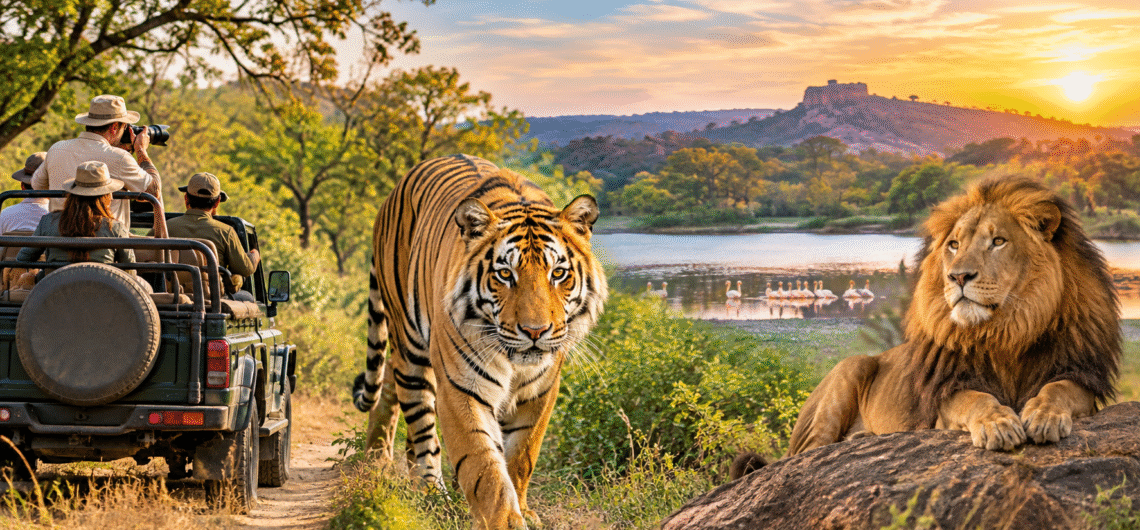
An Indian wildlife tour is an opportunity to experience this natural side of the country while exploring some of its most fascinating protected areas. From watching a Bengal tiger in the forests of Rajasthan or Madhya Pradesh to searching for the Asiatic lion in Gujarat, wildlife travel in India offers experiences that are very different from a traditional sightseeing holiday.

For travellers looking for nature, photography, adventure, and unforgettable encounters with animals in their natural habitats, Indian National Park tours can be an excellent addition to an India itinerary.

Why Choose an Indian Wildlife Tour?

India has a remarkable variety of habitats. Its wildlife areas range from the Himalayan foothills and central Indian forests to the Western Ghats, northeastern floodplains, and mangrove forests of the Sundarbans.

A wildlife trip is not only about seeing a particular animal. It is about experiencing the forest itself—the sound of birds in the morning, fresh animal tracks on a forest road, deer moving through the grass, monkeys calling from the trees, and the excitement of waiting quietly during a safari.

The country’s tiger conservation program has played an important role in protecting tiger habitats. According to the National Tiger Conservation Authority, India currently has 58 tiger reserves across 18 states.

This makes India one of the world’s most interesting destinations for travellers who want to experience wildlife responsibly.

Best Destinations for Indian National Park Tours

There are many wildlife destinations across India, and each offers a different experience. Choosing the right park depends on the animals you want to see, your travel dates, and the type of experience you prefer.

Ranthambore National Park, Rajasthan

Ranthambore is one of the best-known wildlife destinations in northern India. Located in Rajasthan, it combines wildlife with the historic atmosphere of the region.
The park is particularly popular with travellers interested in tiger sightings. A safari through its dry forests, lakes, grasslands, and ancient landscapes can provide opportunities to see tigers, leopards, sambar deer, spotted deer, crocodiles, and numerous bird species.

Ranthambore can also be conveniently combined with Jaipur and Agra, making it a natural addition to a Golden Triangle itinerary.

Jim Corbett National Park, Uttarakhand

Jim Corbett is another famous destination for wildlife enthusiasts. Located in the Himalayan foothills, the landscape includes forests, rivers, grasslands, and hills.

The area is well known for its tiger habitat, but the experience goes beyond tiger watching. Depending on the safari zone and conditions, visitors may encounter elephants, deer, birds, reptiles, and other forest species.

For travellers interested in combining nature with a northern India journey, Corbett can be a rewarding choice.

Kanha National Park, Madhya Pradesh

Kanha is one of the celebrated wildlife destinations of central India. Its forests and open meadows provide habitat for tigers, leopards, deer, gaur, and many other species.
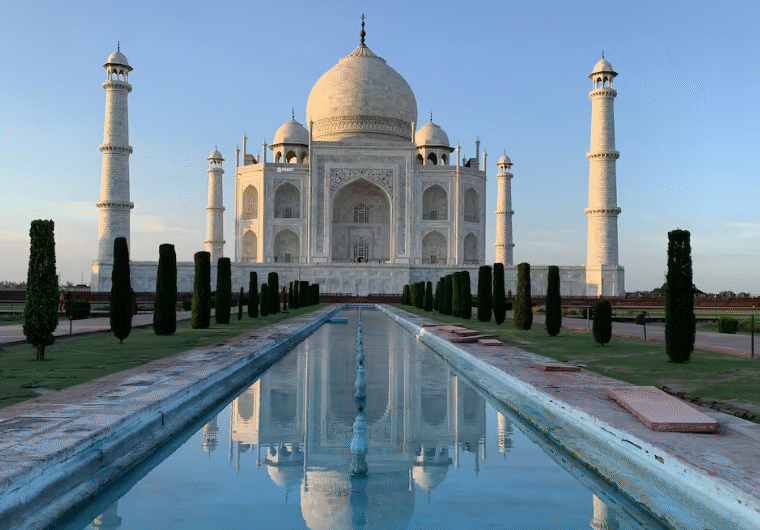
The park is especially appealing to travellers who want a deeper forest experience rather than a quick wildlife excursion.

Kanha is also among the tiger reserves officially listed by the National Tiger Conservation Authority.

Bandhavgarh National Park, Madhya Pradesh

Bandhavgarh is another popular destination for Tiger Safari tours. Its forest landscape and wildlife-rich surroundings attract travellers and photographers from around the world.

A safari here is never completely predictable, which is part of the excitement. Wildlife sightings depend on many natural factors, including animal movement, weather, habitat conditions, and luck.

That uncertainty makes every safari different.

Gir National Park, Gujarat

For travellers interested in lions, Gir is a special destination.

Gir is the famous home of the Asiatic lion, making it one of the most distinctive wildlife destinations in India. A Lion Safari Tour in Gir provides an opportunity to explore the landscape associated with this remarkable species.
The experience is different from a tiger safari because the habitat, wildlife behaviour, and safari environment are different. Travellers can also combine their visit with Gujarat’s cultural attractions and other destinations.

Tiger Safari Tours in India

A tiger safari is often the highlight of an Indian wildlife holiday. However, responsible travellers should remember that a safari is not a guaranteed animal-viewing experience.

Tigers are wild animals, and sightings depend on nature rather than a fixed schedule.

The National Tiger Conservation Authority explains that tiger reserves are managed through core and buffer areas, with conservation and habitat protection forming an important part of the program.

During a safari, visitors may also see animals such as:

  • Bengal tigers
  • Leopards
  • Sloth bears
  • Sambar deer
  • Spotted deer
  • Gaur
  • Wild boar
  • Indian elephants
  • Crocodiles
  • Numerous resident and migratory birds

Even when a tiger remains hidden, the forest can still provide an unforgettable experience.

Lion Safari Tours: Experience the Asiatic Lion

A Lion Safari Tour offers a different kind of wildlife adventure.

Gir’s Asiatic lions are one of India’s most distinctive wildlife attractions. Instead of focusing only on photographs, travellers can appreciate the wider ecosystem in which lions live.

A good wildlife itinerary should leave enough time to explore the destination without rushing from one attraction to another. Combining a safari with local sightseeing, nature experiences, and cultural attractions can make the journey more meaningful.

The Adventure of Indian Wildlife

The real Adventure of Indian wildlife comes from its unpredictability.

You may begin a morning safari hoping to see a tiger but instead find yourself watching a herd of deer crossing the road. A sudden bird call may attract your attention to the trees. You might see an elephant near a water source or notice fresh pugmarks on the forest trail.

These moments are part of what makes wildlife travel different from ordinary sightseeing.

It is also important to remember that national parks are protected ecosystems, not open-air zoos. Animals should be observed from a safe distance, and visitors should follow the instructions of forest authorities, guides, and safari operators.

Responsible Wildlife Tourism in India

Wildlife tourism works best when visitors understand that conservation comes first.

The National Tiger Conservation Authority maintains tourism-related guidelines and advisories for tiger reserves, including measures concerning tourism activities and carrying capacity.

When visiting a national park, travellers should:

  • Follow park and forest department rules.
  • Avoid loud conversations during safaris.
  • Never feed wild animals.
  • Do not attempt to approach or touch wildlife.
  • Avoid littering.
  • Follow the designated safari routes.
  • Listen to the instructions of trained guides and drivers.
  • Avoid disturbing animals for photographs.
  • Respect local communities and their surroundings.

Responsible tourism helps protect the places that travellers come to experience.

When Should You Plan a Wildlife Tour?

The ideal travel period depends on the national park and the type of experience you want.

Many wildlife destinations have seasonal opening and closing schedules, and safari availability can also vary. Weather conditions can influence animal movement and visibility.

Before travelling, it is therefore important to check the latest information from the Travel Agent/Tour Operator Tours On Demands or the related forest department or official park authority.

Safari permits and zones may have limited availability, particularly during popular travel periods. Planning ahead can make the experience smoother.

Combine Wildlife with India’s Famous Tours

One of the advantages of travelling in India is that wildlife can often be combined with cultural and historical experiences.

For example, travellers can consider an itinerary such as:

Delhi – Agra – Ranthambore – Jaipur

This route combines the Taj Mahal, historic attractions, Rajasthan’s culture, and a wildlife safari.

Another possibility is:

Delhi – Jaipur – Ranthambore – Agra

Travellers who want a longer wildlife holiday can explore central India with destinations such as Kanha, Bandhavgarh, Pench, or other tiger reserves.

The National Tiger Conservation Authority currently lists tiger reserves across several regions of India, including Rajasthan, Madhya Pradesh, Karnataka, Uttarakhand, Assam, Maharashtra, Uttar Pradesh, and other states.

Plan Your Indian Wildlife Adventure with Tours on Demands

India’s wildlife is as diverse as its history and culture. Whether your dream is to watch a tiger crossing a forest track, search for the Asiatic lion in Gir, photograph colourful birds, or simply spend time surrounded by nature, an Indian wildlife holiday can create memories that last long after the journey ends.

At Tours on Demands, travellers can explore India through thoughtfully planned tours that combine sightseeing, transportation, local experiences, and wildlife adventures.

If you are planning an Indian Wildlife tour, looking for Indian National park Tours, or interested in Tiger Safari tours and Lion Safari Tours, choosing the right destination and planning your itinerary carefully can make a significant difference.

Explore India beyond its famous monuments and discover the forests, animals, landscapes, and natural beauty that make the country truly extraordinary.

Plan your India travel experience with Tours on Demands:
www.toursondemands.in

To truly know India, one must taste it. Indian cuisine is not merely food—it is a sensory journey, an ancient art form, and a deeply celebrated part of everyday life. From the sizzling street markets of Old Delhi to the aromatic kitchens of coastal South India, every region uses spices to weave stories of tradition, health, and heritage.

 The Rich History of Indian Cooking

The history of Indian cuisine spans over 5,000 years, shaped by diverse cultures, ancient trade, and native agricultural traditions.

  • The Vedic & Harappan Era: Ancient texts like the Ayurveda established the foundational concept of food as medicine. Ingredients were chosen not just for flavor, but to balance the body’s internal energies (Doshas).
  • The Silk Route & Spice Trade: India was the epicenter of the global spice trade. Traders from Rome, Arabia, and Persia traveled across oceans to obtain Indian black pepper, cardamom, and cinnamon—spices once valued more than gold.
  • Cultural Influences: Over centuries, various empires contributed to India’s culinary tapestry. The Mughal era introduced rich gravy dishes, aromatic biryanis, and dried fruits, while Portuguese traders introduced staples like red chilies, potatoes, and tomatoes.
Indian cookiing blog

 The Magic of Spices: Flavor & Health

What sets Indian cooking apart is the complex art of spice blending (Masala). Rather than overpowering a dish, spices are bloomed in hot oil or ghee (Tadka) to release their essential oils and medicinal properties.

Key spices at the heart of Indian kitchens include:

  • Turmeric (Haldi): Known for its vibrant yellow color and powerful anti-inflammatory properties.
  • Cumin (Jeera) & Coriander (Dhania): Earthy seeds that form the warm, digestive base of most curries.
  • Cardamom (Elaichi) & Cinnamon (Dalchini): Sweet, aromatic spices used in both royal savory dishes and classic chai.
  • Black Pepper (Kali Mirch): The original native spice of India, prized for its sharp bite

 Hands-On Culinary Experiences: Why Indian Cooking Classes Are So Popular

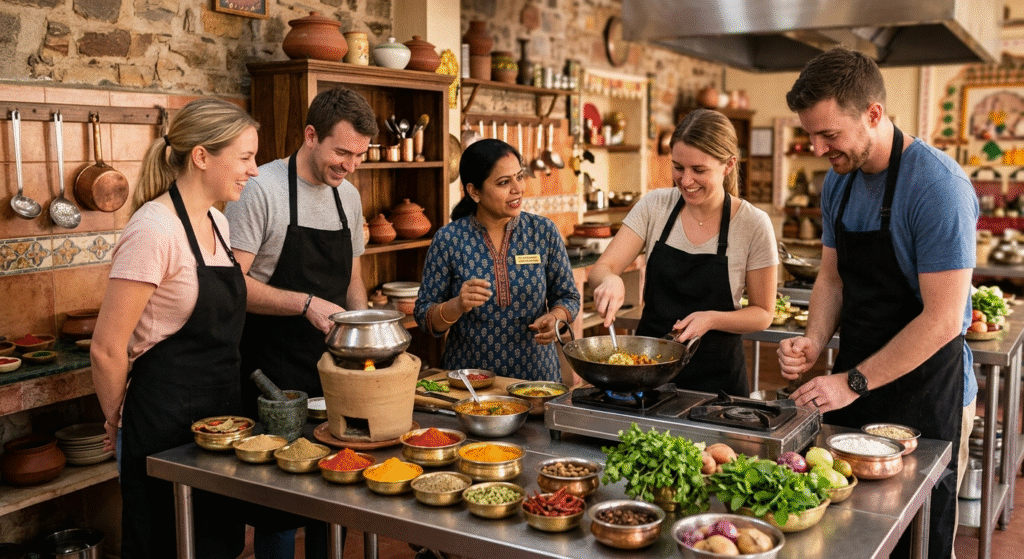
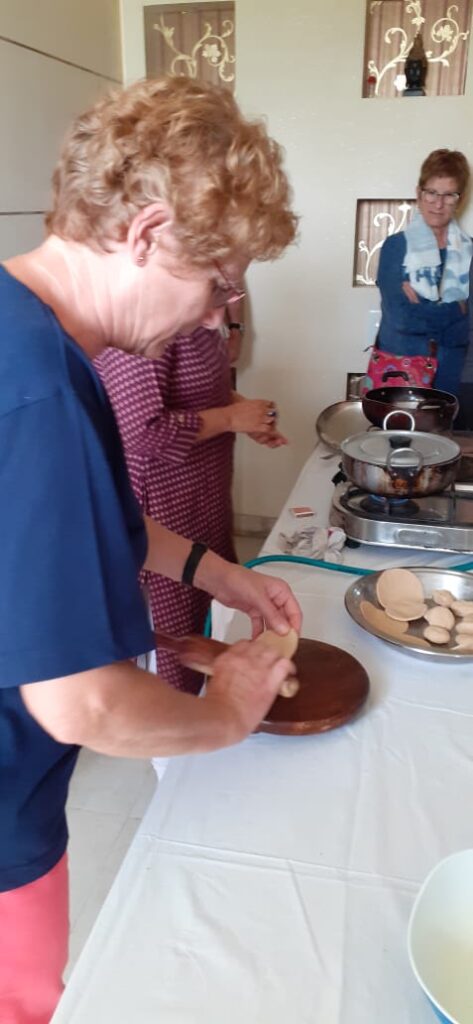
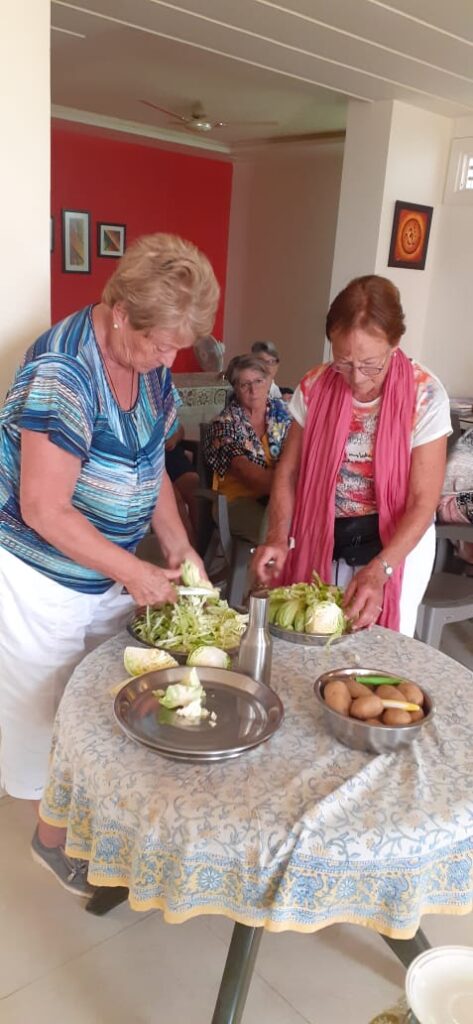
While tasting local dishes at historic restaurants is incredible, there is nothing quite like stepping into an authentic Indian kitchen to learn the secrets yourself. Hands-on cooking workshops have become one of the most beloved activities for visitors.

During an interactive cooking class, guests get to:

How and Where Food is Enjoyed Across India

Food in India is a deeply social and spiritual experience, governed by the philosophy of Atithi Devo Bhava (The Guest is God).

  • Regional Variety: Northern India is famous for tandoori breads, rich gravies, and paneer; Eastern India celebrates freshwater fish and mustard oil; Western India offers tangy coastal curries; and Southern India is beloved for fermented rice crepes (Dosa), lentils (Sambar), and coconut-infused dishes.
  • Traditional Eating: Food is traditionally eaten using the right hand, an act that connects all five senses to the meal, enhancing mindfulness and digestion.
  • Feasting & Celebrations: Meals are often served on traditional banana leaves or metal platters (Thali), featuring a balanced assortment of sweet, salty, sour, spicy, bitter, and astringent flavors.

Experience Culinary Delights with Tours on Demands

If you are eager to taste authentic regional flavors, explore bustling spice bazaars, and participate in exclusive hands-on cooking classes hosted by expert local chefs, Tours on Demands—founded by Bhanu Pratap Kulshrestha—is here to craft your dream journey with 100% customizable, private tour packages designed around your personal taste and travel preferences.

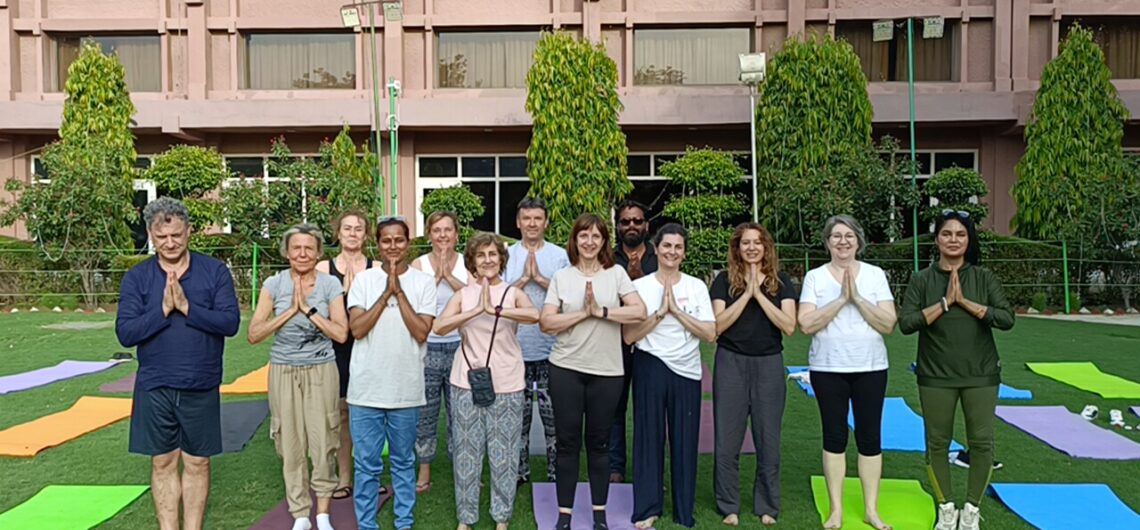
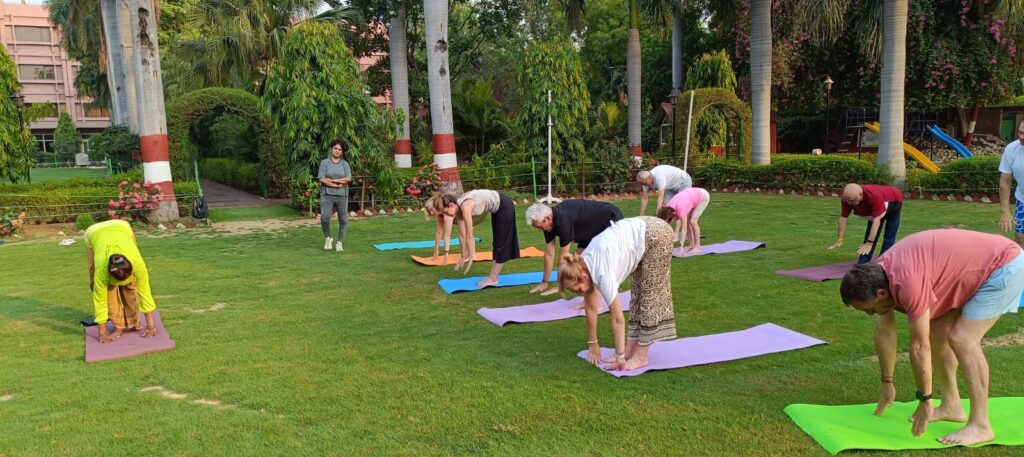
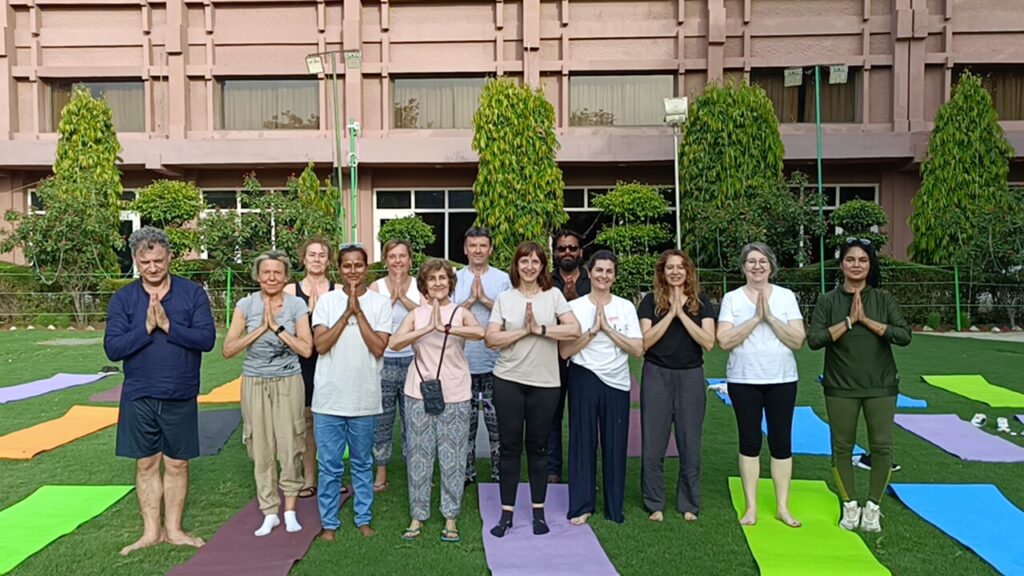
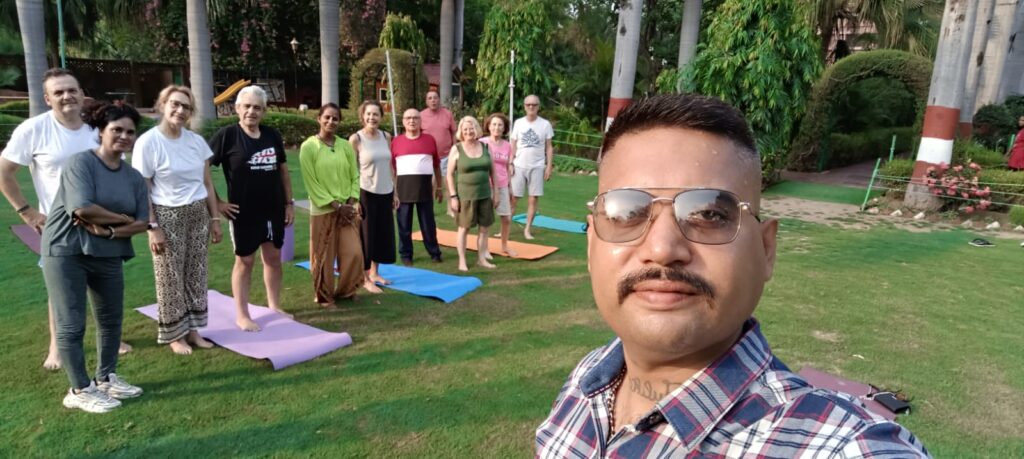
Yoga Tour in India

For centuries, seekers from across the globe have looked toward India as a sanctuary for the mind, body, and soul. Among India’s greatest gifts to humanity, Yoga stands at the very top—a transformative, life-changing discipline that goes far beyond physical exercise.

 What is Yoga? Maharishi Patanjali’s Timeless Definition

While modern culture often views yoga primarily as physical postures or fitness routines, its classical foundation is far deeper. The systematization of yoga is credited to the ancient sage Maharishi Patanjali in his monumental work, the Yoga Sutras.

Patanjali defined yoga in a single, profound sentence:

“Yogas Chitta Vritti Nirodha”

(Yoga is the stillness or control of the fluctuations of the mind.)

According to Patanjali, yoga is a mental and spiritual discipline designed to quiet the restless chatter of the human mind, allowing an individual to establish peace and realize their true self.

Yoga Tour in india

 Why India is the Eternal Home of Yoga

In India, yoga is not merely a practice; it is a way of life deeply embedded in the country’s cultural ethos. For thousands of years, India has nurtured yoga as an integrated path connecting mind, body, and spirit. From peaceful ashrams along sacred rivers to historic heritage centers, the country offers an authentic environment where yoga flourishes in its purest form.

The Ancient History of Yoga

The roots of yoga stretch back over 5,000 years, evolving through distinct historical eras:

  • Pre-Vedic & Vedic Era: Early references to yoga and meditation appear in the Rig Veda and ancient Indus Valley seals depicting figures in yogic postures.
  • Pre-Classical Era: The Upanishads and the Bhagavad Gita expanded yoga into paths of devotion (Bhakti), selfless action (Karma), and knowledge (Jnana).
  • Classical Era: Maharishi Patanjali compiled the Yoga Sutras, creating the Eight-Limbed Path (Ashtanga Yoga).
  • Post-Classical & Modern Era: Masters like Swami Vivekananda introduced yoga to the global stage in the late 19th century, paving the way for iconic teachers like B.K.S. Iyengar and Pattabhi Jois to share its wisdom worldwide.

 Words of Wisdom: Famous Quotes on Yoga

“Yoga does not just change the way we see things, it transforms the person who sees.”

— B.K.S. Iyengar

“Yoga is the journey of the self, through the self, to the self.”

— The Bhagavad Gita

“Yoga is an invaluable gift of India’s ancient tradition. It embodies unity of mind and body, thought and action.”

— Narendra Modi

Key Types, Techniques, and Methods of Yoga

When exploring yoga, practitioners encounter several classical branches and methods tailored to different physical and spiritual needs:

Major Types of Yoga

  1. Hatha Yoga: The foundational physical branch emphasizing alignment, slow postures, and breath control.
  2. Ashtanga Yoga: A dynamic, rigorous style involving a fixed series of energetic postures.
  3. Vinyasa Yoga: A fluid style where postures seamlessly flow from one to another in sync with the breath.
  4. Kundalini Yoga: Focuses on awakening dormant energy through chanting, breathwork, and repetitive movements.

Core Techniques & Methods

  • Asana (Postures): Physical positions designed to build strength, balance, and flexibility.
  • Pranayama (Breath Control): Techniques like Anulom Vilom (alternate nostril breathing) and Kapalabhati to regulate life force energy (Prana).
  • Dhyana (Meditation): Practicing focused awareness to achieve inner stillness and mental clarity.
yoga tour in india

 Experience Authentic India with Tours on Demands

If you are dreaming of exploring the rich cultural heritage and serene spiritual destinations of India, Tours on Demands—led by Founder Bhanu Pratap Kulshrestha—is here to craft your perfect travel experience with 100% customizable, private tour packages tailored strictly to your preferences.

Tours on demands

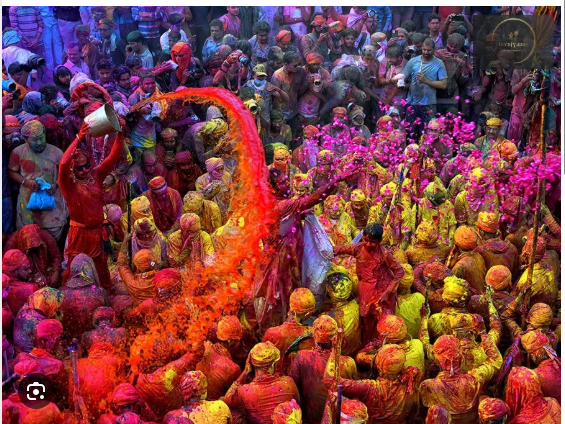
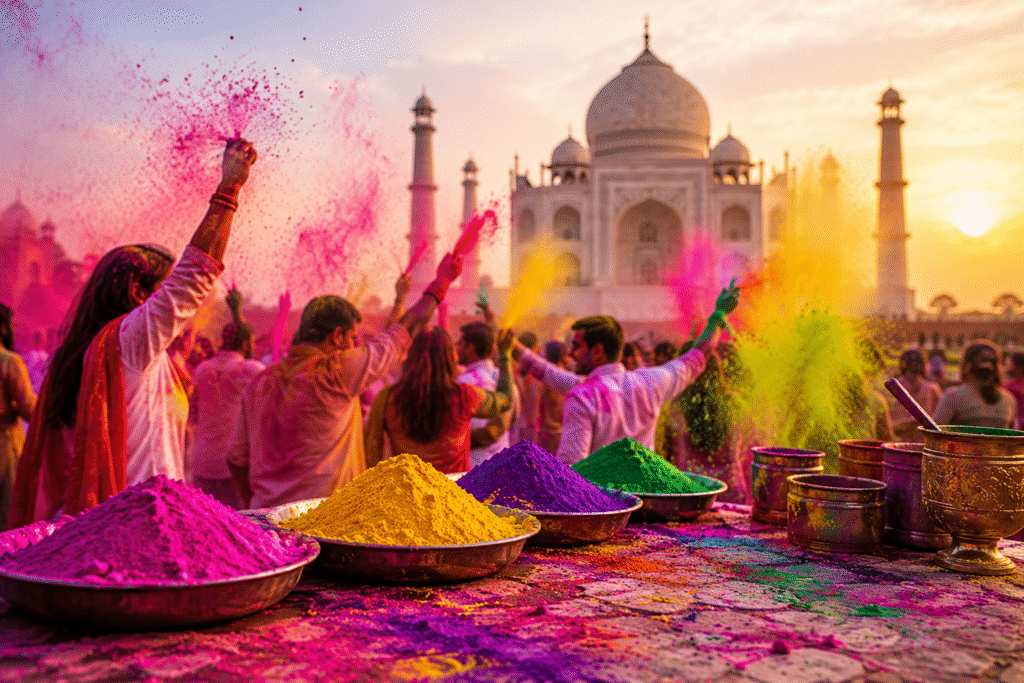
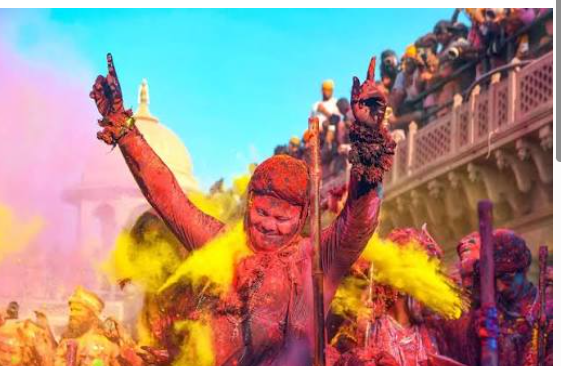
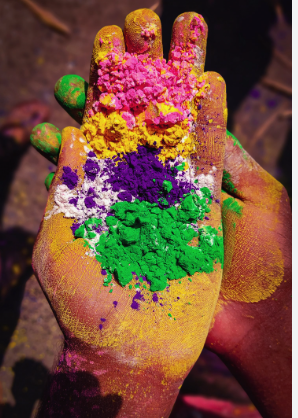
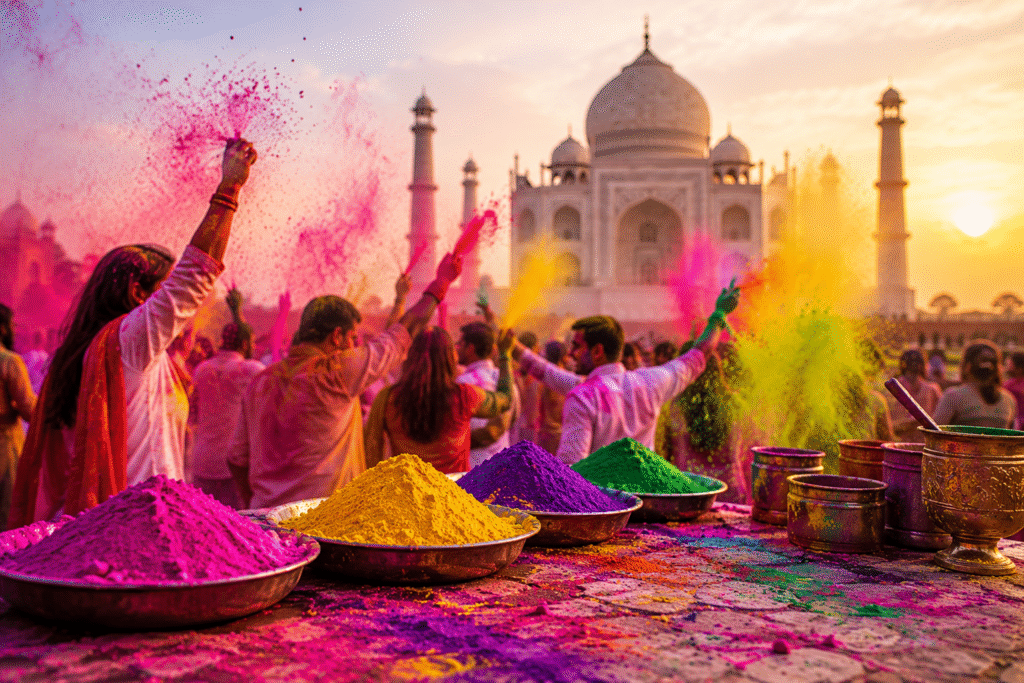
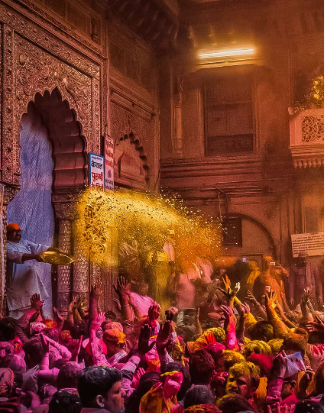
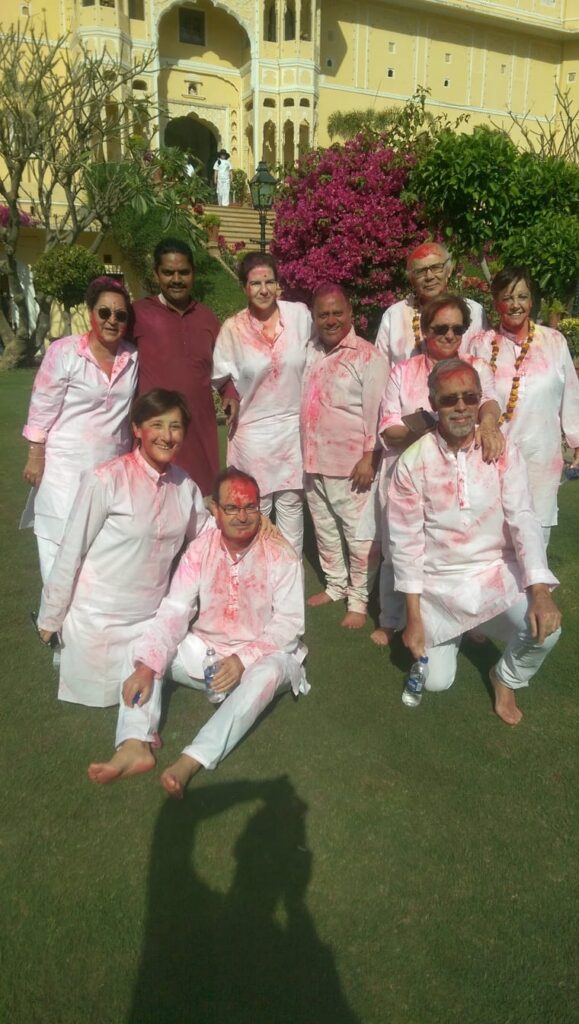
Spring in India brings a transformation unlike anywhere else on earth. Streets burst into vibrant shades of pink, yellow, blue, and green, air fills with the rhythm of dhol drums, and laughter echoes across every corner. Known across the globe as the Festival of Colors, Holi is one of India’s most ancient, joyous, and culturally profound celebrations.

Whether you are curious about its deep mythological roots or looking to understand how this festival brings millions together, here is everything you need to know about the origin, significance, and spirit of Holi.

🌸 What is Holi and Why is It Celebrated?

Holi is a major ancient Hindu festival celebrated at the end of winter on the full moon day (Purnima) of the Hindu calendar month of Phalguna (which usually falls in late February or March).

Primarily, Holi marks three major themes:

  1. The Arrival of Spring & Harvest: It welcomes the vibrant colors of spring and celebrates a bountiful harvest after the cold winter.
  2. The Triumph of Good Over Evil: It serves as a reminder that devotion, truth, and righteousness will always overcome arrogance and evil.
  3. A Festival of Forgiveness & Love: On this day, people mend broken relationships, let go of past grievances, embrace one another, and spread pure affection.

🔥 The Ancient History & Mythology Behind Holi

The history of Holi is rooted in ancient Indian scriptures and legends that date back thousands of years. There are two primary stories that define its celebrations:

1. The Legend of Prahlad and Holika (Holika Dahan)

The most famous legend centers around a powerful demon king named Hiranyakashipu, who demanded that everyone in his kingdom worship only him. However, his young son, Prahlad, was an unwavering devotee of Lord Vishnu.

Enraged by his son’s devotion, the king attempted to kill Prahlad multiple times. Finally, he asked his demon sister, Holika, for help. Holika possessed a divine garment that protected her from fire. She tricked young Prahlad into sitting on a blazing pyre with her. However, due to Prahlad’s pure faith and Holika’s evil intentions, the protective cloak flew off Holika and covered Prahlad. Holika was burned to ashes, while Prahlad emerged completely unharmed.

Holika Dahan: To this day, the night before Holi, people light massive ritual bonfires across India to symbolize the burning away of evil and negativity.

2. The Divine Love of Radha and Krishna

In the sacred Braj region (Mathura and Vrindavan), Holi is deeply tied to Lord Krishna and his beloved Radha. According to legend, young Krishna had a dark complexion and playfully complained to his mother, Yashoda, about Radha’s fair skin. Yashoda lovingly suggested that Krishna smear color on Radha’s face to make them look alike. This playful act evolved into the beloved tradition of applying gulaal (colored powder) on friends and family.

Tours on Demands

Want to Experience Holi in India

Watching Holi in pictures is incredible, but experiencing the colors, energy, and warmth of Indian hospitality in person is an unforgettable lifetime memory!

If you are planning to travel to India during the festival season—whether to see the world-famous celebrations in Mathura-Vrindavan, witness the majestic heritage of Agra’s Taj Mahal, or explore the royal palaces of Jaipur—Tours on Demands is here to make your journey completely smooth and stress-free.

Travel Comfortably with Tours on Demands

Founded and managed by Bhanu Pratap Kulshrestha, Tours on Demands provides 100% customizable, private travel packages designed strictly around your preferences and comfort.

  • 🚗 Private AC Transfers: Clean, air-conditioned vehicles with professional drivers for a safe and hassle-free trip.
  • 🗺️ Tailored Itineraries: Choose your own destinations, timings, and pace without rigid group schedules.
  • 🗣️ Licensed Local Guides: Enjoy authentic cultural insights from expert guides at every historic monument.

“Pack your bags, bring your spirit of adventure, and let the colors of India create memories you’ll cherish forever

TOURS ON DEMANDS

At TOURS ON DEMANDS, we believe travel should be more than a vacation. It should be a beautifully curated experience that stays with you forever. We don’t do cookie-cutter itineraries or mass tourism. Instead, we design bespoke, luxury travel experiences tailored entirely to your unique tastes, pacing, and passions.

TOURS ON DEMANDS is a fully integrated, premium travel management company specializing in highly customized domestic and international tour execution. Backed by an extensive network of hospitality partnerships, we provide end-to-end travel solutions engineered to offer unmatched value, flexibility, and comfort.

Our Comprehensive Services

  • Experienced Itinerary Building: Complete conceptualization of unique personal travel plans.
  • Luxury & Boutique Lodging: We do reservations ranging from luxury resorts to authentic heritage properties.
  • Corporate & Event Travel: Streamlined logistics for conferences, corporate retreats, and large groups.
  • Ground Handling & Logistics: Private, verified local transport fleets and licensed MULTILINGUAL GUIDES.

Our Core Mission

Our mission is to establish the benchmark for on-demand travel services by maintaining total transparency, operational excellence, and rigid quality control. We eliminate the uncertainty of trip planning so our clients can focus entirely on enjoying the journey.

What Makes Us Different

Unlike traditional travel agents who sell rigid mass-market holiday packages, we treat every itinerary as a blank canvas. We listen closely to your expectations, respect your budget constraints, and use our deep industry expertise to craft optimal routes, select properties with stellar reviews, and unearth authentic local hidden gems.

HISTORY OF TOURS ON DEMANDS (TOD):

TOURS ON DEMANDS Founded in Year 2018 by a team of passionate global explorers,TOD was born out of a simple realization: the finest travel moments cannot be found in a standard brochure. They are found when local expertise meets flawless planning. We set out to bridge the gap between standard tourism and true immersion, building an exclusive network of elite partners, hidden-gem properties, and expert local English/Language speaking guides across the India.
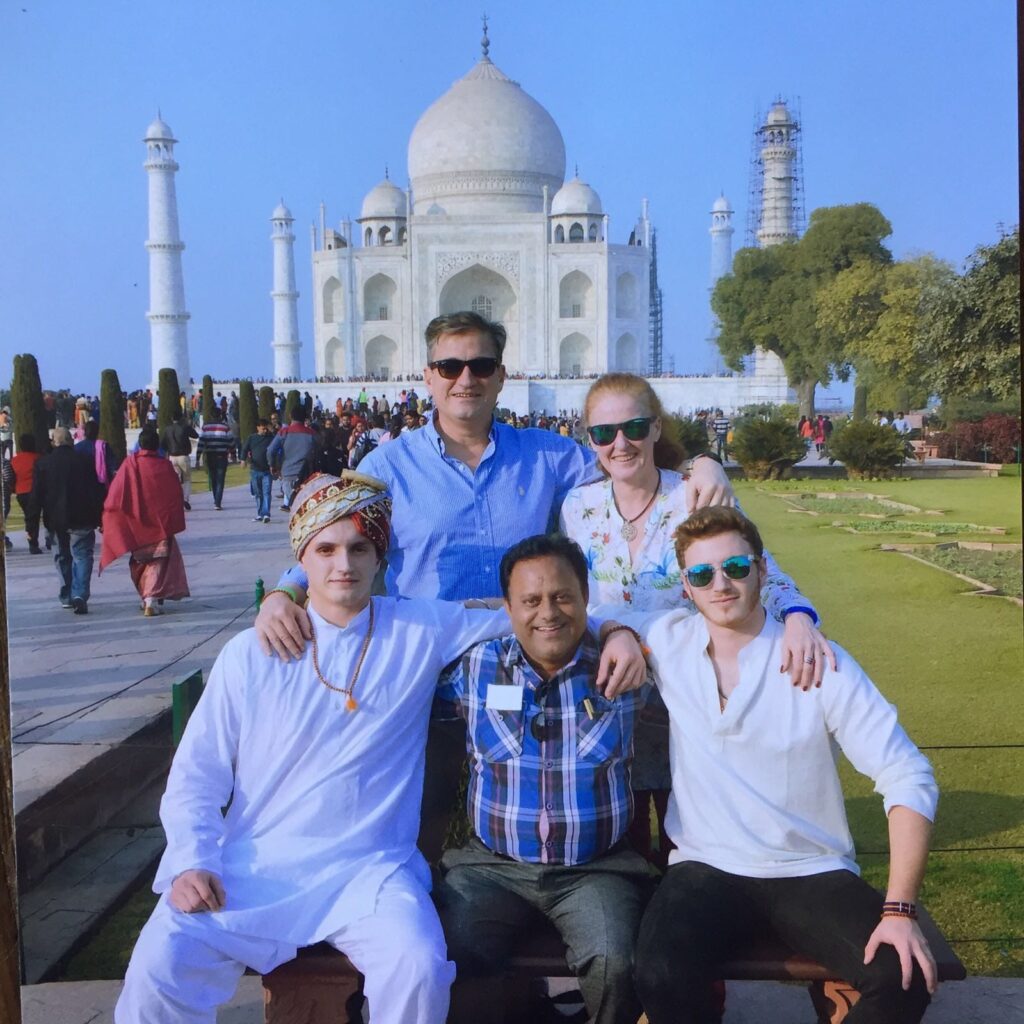
We started TOD because we grew tired of crowded tour buses and superficial travel stops. We wanted to feel the pulse of a destination. Since 2018 we have been guiding thrill-seekers and curious souls into the heart of the INDIA’S most spectacular wildernesses and cultural hubs. We don’t just show you the map; we help you get wonderfully lost into it.

Why To Choose Us :

  • Tailor-Made Itineraries: Every single trip is built from scratch around your specific desires, interests, and budget.
  • Exclusive Services : Enjoy the best room of your choice, private tours, and off-the-market experiences through our premium partnerships with local handling agents.
  • Unrivaled Local Expertise: Our travel designers have personal, utmost practical knowledge of the destinations we offer.
  • 24/7 Concierge Support: From the moment you arrive until you depart for your home, our team handle every detail behind the scenes.

The Team TOURS ON DEMANDS assures you,

  • Stress-Free Planning: From multi-city flight bookings to dietary needs at resorts, we manage every single logistical piece.
  • Vetted, Kid-Friendly Properties: We only recommend good and well recognised hotels/resorts, cruises, and tours that we have personally verified for safety and comfort.
  • Maximum Value, No Hidden Fees: We leverage our industry connections to find the best rates, bundled packages, and built-in perks.
  • Real Human Support: No chatbots or automated call centres. You will work with one dedicated agent from start to finish.

Best for all-inclusive packages, family reunions, honeymoons, Business, Education, cultural and stress-free holiday planning.

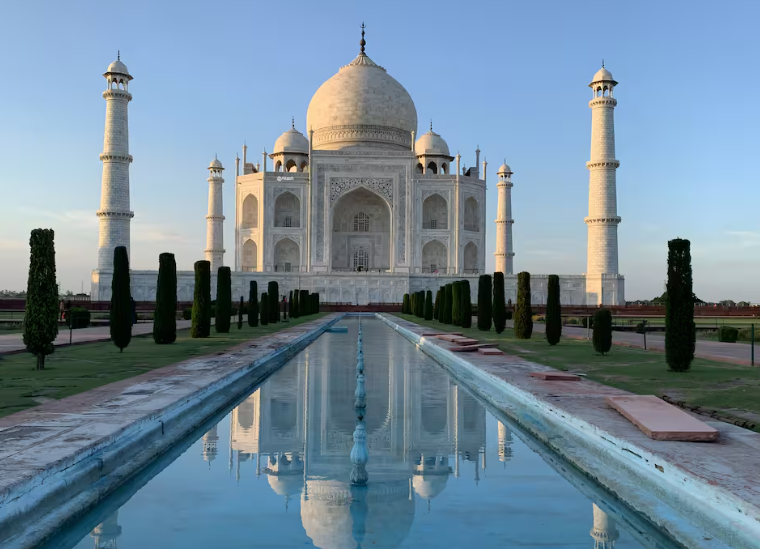
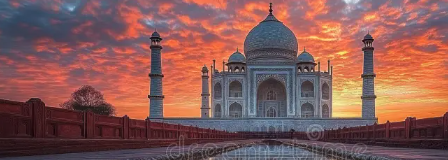
Taj Mahal tour package showing beauty of the Taj Mahal in AGRA

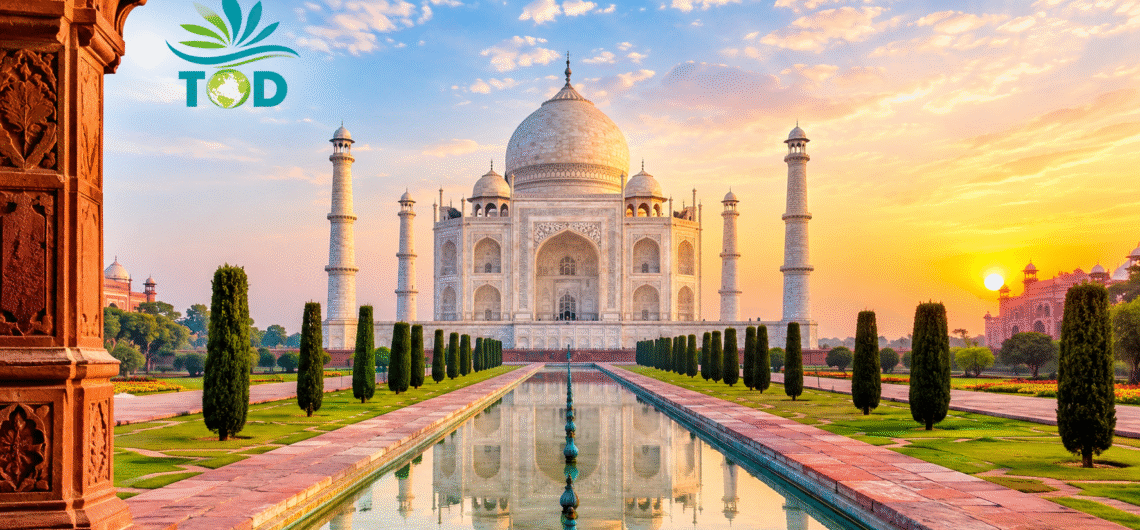
TAJ MAHAL, the world-famous monument and most visited place honoring the city of Agra (India). This unmatched monument stands on the side of the holy river Yamuna. The Taj Mahal, an ivory-white marble mausoleum, is the ultimate monument of LOVE and PROMISE made to his wife. Commissioned in 1632 by the Mughal Emperor Shah Jahan, it was built as a breathtaking memorial for his beloved wife, Mumtaz Mahal, who died in childbirth. As per historians, Mumtaz gave birth to 14 children in only 19 years. And at the time of her last childbirth, she was with her husband in Burhanpur, where he was campaigning against one emperor.

The construction:

Mumtaz Mahal passed away in 1631, and a grieving Shah Jahan vowed to build the most beautiful tomb ever to honor her memory. Construction began in 1632 and took about 22 years to complete. The colossal project required over 20,000 artisans, craftsmen, and calligraphers brought in from across India, Central Asia, and Iran. Materials were transported using over 1,000 elephants. Pure white marble was sourced from the Makrana mines in Rajasthan, while all precious and semi-precious stones—such as jade, lapis lazuli, turquoise, and jasper—were imported from China, Afghanistan, and Sri Lanka to create the intricate floral inlays.

Architecture and Design

The complex is a masterpiece of Mughal architecture, widely attributed to the chief architect Ustad Ahmad Lahori. It seamlessly blends Persian, Islamic, and Indian architectural styles. The core mausoleum is famous for its perfect symmetry, crowned by a massive central dome and surrounded by four minarets that tilt slightly outward to protect the main building from earthquakes. The grounds feature Charbagh patterns, which, as per Islam, resemble the Bag-e-bahisht (garden of paradise), water channels, and reflecting pools.  

The inside Tombs

Shah Jahan himself was placed to rest inside the Taj Mahal alongside his wife following his death in 1666. Recognized for its unparalleled beauty and historical significance, it was designated as a UNESCO World Heritage Site in 1983. Today, it stands as one of the Seven Wonders of the World.