
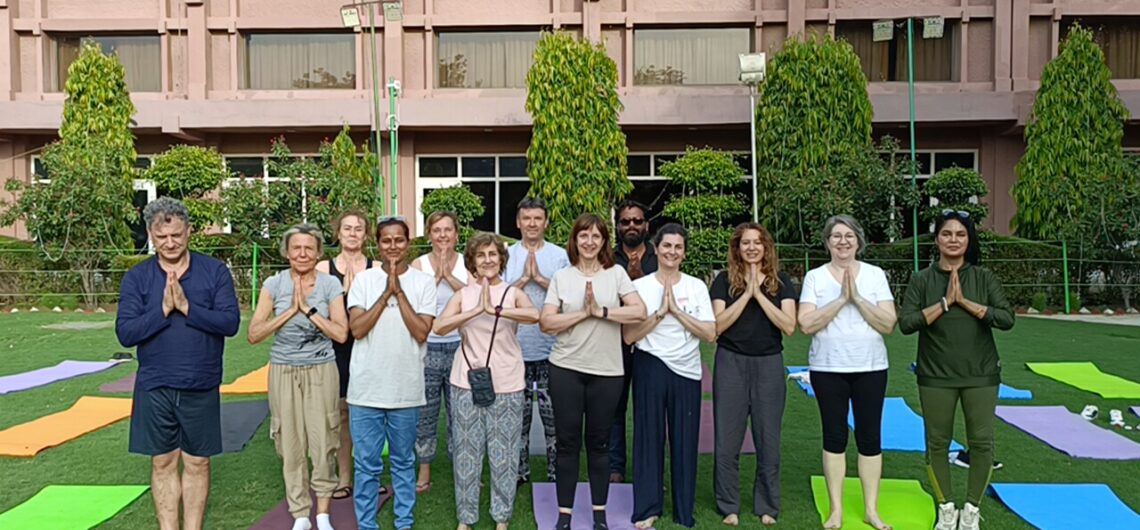
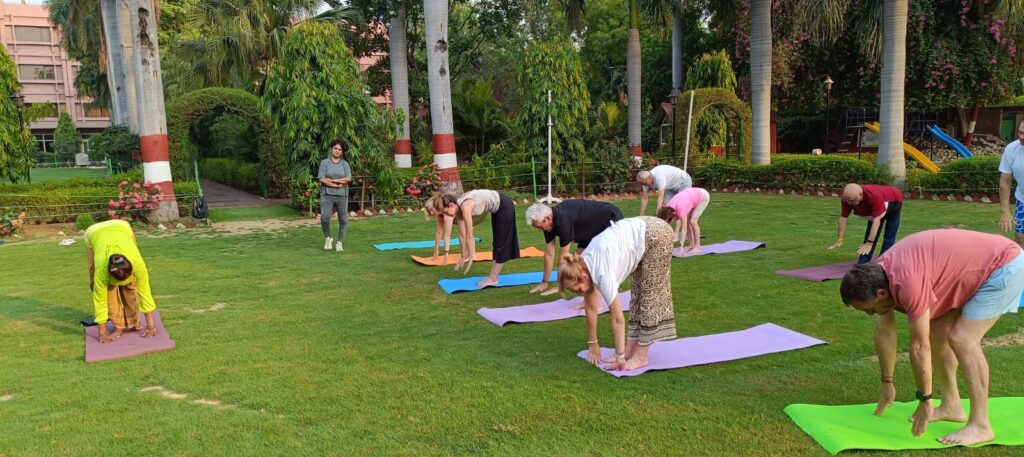
For centuries, seekers from across the globe have looked toward India as a sanctuary for the mind, body, and soul. Among India’s greatest gifts to humanity, Yoga stands at the very top—a transformative, life-changing discipline that goes far beyond physical exercise.
What is Yoga? Maharishi Patanjali’s Timeless Definition
While modern culture often views yoga primarily as physical postures or fitness routines, its classical foundation is far deeper. The systematization of yoga is credited to the ancient sage Maharishi Patanjali in his monumental work, the Yoga Sutras.
Patanjali defined yoga in a single, profound sentence:
“Yogas Chitta Vritti Nirodha”
(Yoga is the stillness or control of the fluctuations of the mind.)
According to Patanjali, yoga is a mental and spiritual discipline designed to quiet the restless chatter of the human mind, allowing an individual to establish peace and realize their true self.
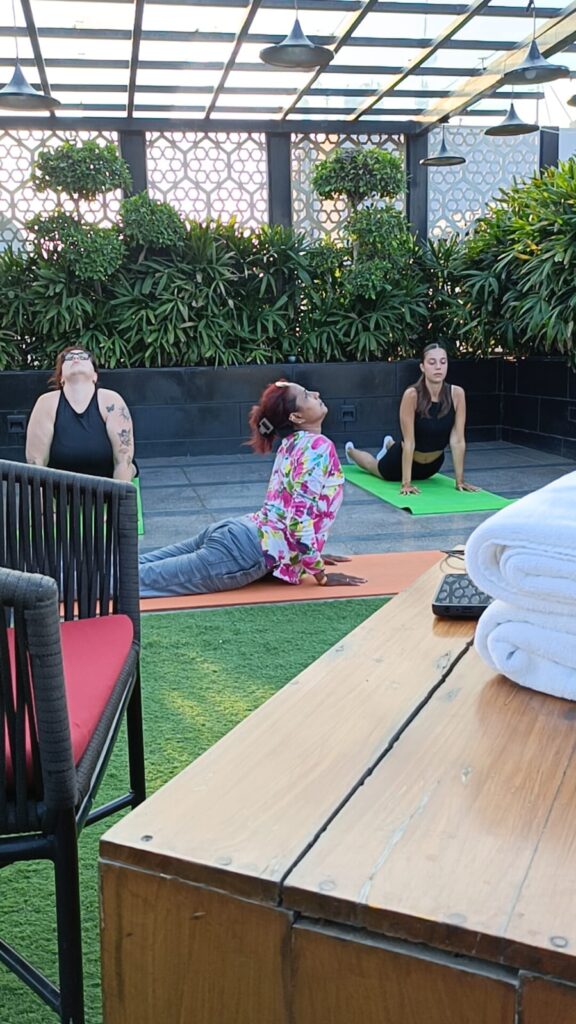
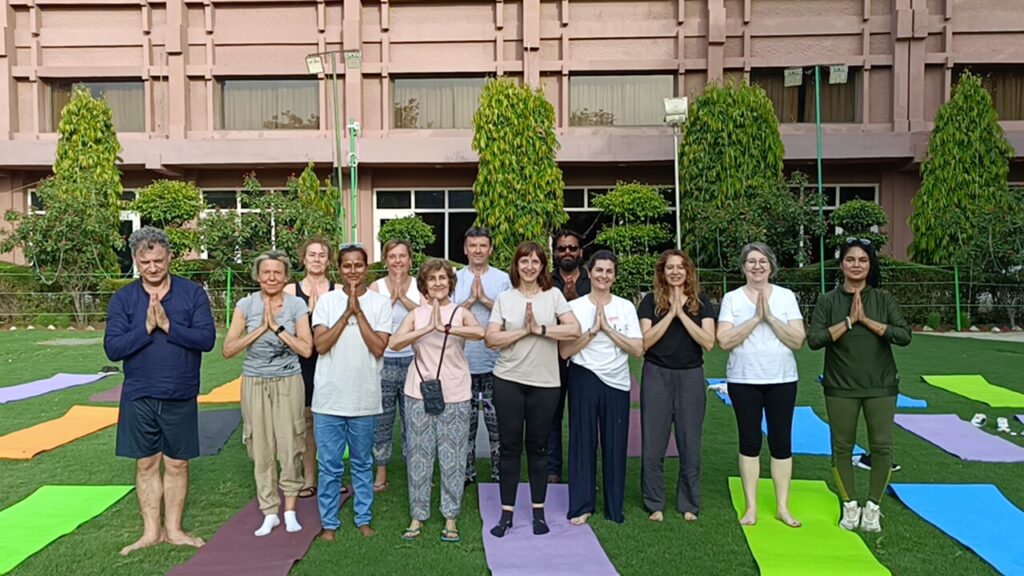
Why India is the Eternal Home of Yoga
In India, yoga is not merely a practice; it is a way of life deeply embedded in the country’s cultural ethos. For thousands of years, India has nurtured yoga as an integrated path connecting mind, body, and spirit. From peaceful ashrams along sacred rivers to historic heritage centers, the country offers an authentic environment where yoga flourishes in its purest form.
The Ancient History of Yoga
The roots of yoga stretch back over 5,000 years, evolving through distinct historical eras:
- Pre-Vedic & Vedic Era: Early references to yoga and meditation appear in the Rig Veda and ancient Indus Valley seals depicting figures in yogic postures.
- Pre-Classical Era: The Upanishads and the Bhagavad Gita expanded yoga into paths of devotion (Bhakti), selfless action (Karma), and knowledge (Jnana).
- Classical Era: Maharishi Patanjali compiled the Yoga Sutras, creating the Eight-Limbed Path (Ashtanga Yoga).
- Post-Classical & Modern Era: Masters like Swami Vivekananda introduced yoga to the global stage in the late 19th century, paving the way for iconic teachers like B.K.S. Iyengar and Pattabhi Jois to share its wisdom worldwide.
Words of Wisdom: Famous Quotes on Yoga
“Yoga does not just change the way we see things, it transforms the person who sees.”
— B.K.S. Iyengar
“Yoga is the journey of the self, through the self, to the self.”
— The Bhagavad Gita
“Yoga is an invaluable gift of India’s ancient tradition. It embodies unity of mind and body, thought and action.”
— Narendra Modi
Key Types, Techniques, and Methods of Yoga
When exploring yoga, practitioners encounter several classical branches and methods tailored to different physical and spiritual needs:
Major Types of Yoga
- Hatha Yoga: The foundational physical branch emphasizing alignment, slow postures, and breath control.
- Ashtanga Yoga: A dynamic, rigorous style involving a fixed series of energetic postures.
- Vinyasa Yoga: A fluid style where postures seamlessly flow from one to another in sync with the breath.
- Kundalini Yoga: Focuses on awakening dormant energy through chanting, breathwork, and repetitive movements.
Core Techniques & Methods
- Asana (Postures): Physical positions designed to build strength, balance, and flexibility.
- Pranayama (Breath Control): Techniques like Anulom Vilom (alternate nostril breathing) and Kapalabhati to regulate life force energy (Prana).
- Dhyana (Meditation): Practicing focused awareness to achieve inner stillness and mental clarity.
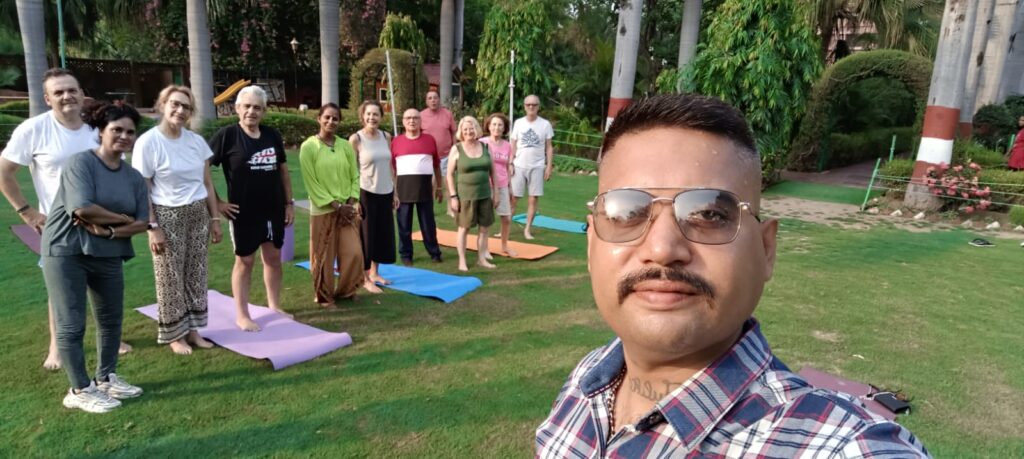
Experience Authentic India with Tours on Demands
If you are dreaming of exploring the rich cultural heritage and serene spiritual destinations of India, Tours on Demands—led by Founder Bhanu Pratap Kulshrestha—is here to craft your perfect travel experience with 100% customizable, private tour packages tailored strictly to your preferences.

Comments