
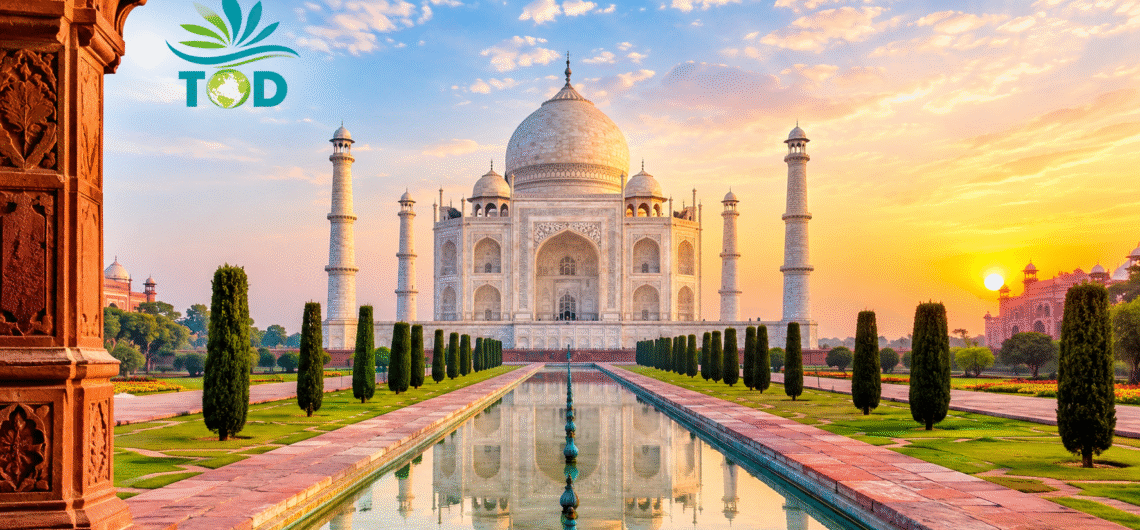
The Taj Mahal is one of India’s most celebrated landmarks, attracting travellers from around the world with its white marble architecture, beautiful gardens, and timeless love story. However, the experience of visiting this UNESCO World Heritage Site can vary significantly depending on the weather, visibility, crowd levels, and time of day.
If you are planning an Agra trip, choosing the right month can help you enjoy the monument more comfortably and capture memorable photographs. Whether you prefer a Same Day Agra Tour, a Sunrise Taj Mahal Tour, or an overnight stay in Agra, understanding the seasons will help you plan a better journey.
In this month-by-month guide, Tours on Demands explains when to visit the Taj Mahal, what to expect throughout the year, and how to choose a suitable tour according to your travel preferences.
What Is the Best Time to Visit the Taj Mahal?
The best time to visit the Taj Mahal is generally from October to March, when Agra usually experiences cooler weather than during the summer months. These months are suitable for sightseeing, exploring Agra Fort, visiting local markets, and enjoying a more comfortable day outdoors.
October and November often bring pleasant daytime conditions, while December and January can be cold and foggy, particularly in the early mornings. February and March are also popular months for sightseeing before temperatures begin rising.
For the best experience, consider these general recommendations:
- Best season: October to March for relatively comfortable sightseeing.
- Best time of day: Early morning for softer light and potentially smaller crowds.
- Best for photography: Sunrise or late afternoon, depending on weather and visibility.
- Best for budget-conscious travellers: Consider the hotter summer or monsoon months, when demand may be lower, but compare actual hotel and transport prices.
- Best for a relaxed itinerary: An overnight Agra trip that allows time for more than one sightseeing session.
The ideal time also depends on your priorities. If you want to photograph the Taj Mahal in the early morning, plan around sunrise and check local weather conditions before travelling.
Month-by-Month Guide to Visiting the Taj Mahal
January: Winter Mornings and Beautiful Architecture
January is one of the coldest months in Agra. Daytime sightseeing can be pleasant when the sun is out, but early mornings may be chilly, and fog can sometimes affect visibility.
A Sunrise Taj Mahal Tour can be rewarding on a clear morning, although heavy fog may temporarily obscure distant views of the monument. Carry warm clothing, especially if you are travelling from Delhi before dawn.
Travel tip: Keep some flexibility in your morning schedule if photography is your main priority.
February: A Comfortable Month for Sightseeing
February is generally a good month to explore Agra because daytime temperatures often become more comfortable. The weather can be suitable for walking through the Taj Mahal gardens, exploring Agra Fort, and visiting other local attractions.
It is also a popular period for tourists, so advance planning is helpful during busy dates.
Travel tip: Choose a Same Day Taj Mahal Tour if you have limited time, or stay overnight if you prefer a slower sightseeing schedule.
March: Pleasant Weather Before Summer
March offers a transition from winter to warmer weather. Early mornings are often comfortable, while afternoons gradually become hotter as the month progresses.
This is a suitable time to combine the Taj Mahal with Agra Fort and other attractions without the intense heat commonly experienced later in the year.
Travel tip: Start sightseeing early and carry drinking water for your journey.
April: Rising Temperatures and Early Starts
April marks the beginning of the hotter season in Agra. Afternoon temperatures can rise considerably, making prolonged outdoor sightseeing less comfortable.
The Taj Mahal can still be visited during this month, but an early start is advisable. Plan indoor breaks where possible and avoid spending too much time in direct sunlight during the hottest part of the day.
Travel tip: A private Same Day Agra Tour can help you organise transport and sightseeing around the weather.
May: Hot Weather and Careful Planning
May is usually one of the hottest months in Agra. Strong sunshine and high temperatures can make midday sightseeing tiring, particularly for families with children and older travellers.
Visitors who choose May should prioritise early-morning sightseeing, lightweight clothing, sunscreen, and regular hydration.
A Sunrise Taj Mahal Tour may be more comfortable than visiting during the afternoon, provided visibility and local conditions are favourable.
Travel tip: Confirm your pickup arrangements in advance and allow time to rest between attractions.
June: Summer Heat and the Start of Monsoon Conditions
June can bring intense heat, although temperatures and rainfall patterns vary as the month progresses. Monsoon conditions may begin to develop, but the arrival and intensity of rain are not guaranteed.
If you plan to visit during June, avoid unnecessary midday outdoor activities and keep an eye on the weather forecast.
Travel tip: Consider a flexible itinerary and confirm transport arrangements before departure.
July: Monsoon Showers and Green Gardens
July is generally part of Agra’s monsoon season. Rain showers, high humidity, and cloudy skies can affect outdoor sightseeing. However, the gardens around the Taj Mahal may look especially fresh after rainfall.
Wet pathways and sudden showers can make walking less convenient, so carry an umbrella or light raincoat.
Travel tip: Keep your camera protected and allow extra time for travelling between attractions.
August: Rain, Humidity, and Changing Views
August typically brings monsoon weather, with periods of rain and humid conditions. Cloud cover can create attractive photographic opportunities, although heavy rain may disrupt plans.
The Taj Mahal remains a memorable attraction in this season, but the experience depends on the weather on your chosen date.
Travel tip: Check the forecast before leaving your hotel and keep an alternative sightseeing plan ready.
September: The Transition Towards Better Weather
September is a transition month as the monsoon gradually retreats. Rainfall can continue, but conditions often begin changing towards the end of the month.
The combination of changing skies and greener surroundings can appeal to photography enthusiasts. However, humidity and unpredictable showers may still affect comfort.
Travel tip: If your dates are flexible, compare the late-September forecast with conditions in October before finalising your trip.
October: The Beginning of the Popular Travel Season
October is often an excellent month to visit the Taj Mahal. The monsoon generally retreats around this period, and the weather begins becoming more suitable for outdoor exploration.
Visitors can plan a sunrise visit, explore Agra Fort, and enjoy the city’s food and handicraft markets. Tourist numbers may increase during holidays and festive periods.
Travel tip: Book transport and accommodation early for popular travel dates.
November: Comfortable Days and Excellent Sightseeing Opportunities
November is usually a favourable month for exploring Agra. The weather often remains comfortable for walking, photography, and visiting multiple attractions in a single day.
It is a good choice for couples, families, international visitors, and travellers combining Agra with Delhi and Jaipur.
Travel tip: A Same Day Agra Tour works well for visitors on a tight schedule, while an overnight trip gives you more flexibility.
December: Winter Atmosphere and Festive Travel
December brings cooler weather and the beginning of winter fog conditions. Some mornings may offer clear views, while others can have reduced visibility.
The pleasant daytime conditions are often suitable for exploring Agra, but warm layers are useful for early starts. Holiday periods can also be busy, so make arrangements ahead of time.
Travel tip: If you are booking a Sunrise Taj Mahal Tour, keep in mind that the actual view depends on morning visibility.
Sunrise vs Sunset: Which Taj Mahal Experience Should You Choose?
The time of day can make a major difference to your visit. Both sunrise and late-afternoon visits have their own appeal.
Sunrise Taj Mahal Tour
A Sunrise Taj Mahal Tour is a popular choice for visitors who want to experience the monument in the early morning. The soft light can create beautiful colours on the white marble, and an early start may help you avoid some of the later crowds.
However, sunrise visibility varies with the season. Winter fog can obscure the monument, so it is worth checking the forecast and keeping expectations flexible.
This option is particularly suitable for photographers, couples, and travellers who want to explore Agra before the day becomes too hot.
Sunset Taj Mahal Tour
A Sunset Taj Mahal Tour offers the opportunity to see the monument in the late-afternoon light. The changing colours can be attractive for photography, particularly when skies are clear.
Remember that the Taj Mahal’s visitor opening hours and permitted entry times determine how late you can remain inside the complex. For a sunset view from outside the main complex, Mehtab Bagh across the Yamuna River is another option, subject to its opening hours and applicable entry rules.
If your main goal is to watch the changing evening light, plan your location and timing in advance rather than assuming the main monument remains open until sunset.
Same Day Agra Tour or Overnight Taj Mahal Tour?
Your available time is just as important as the season when planning a visit.
Same Day Agra Tour
A Same Day Agra Tour is suitable for travellers who have limited time in India or are staying in Delhi or Jaipur. Depending on your starting point, transport, and itinerary, you can plan to visit the Taj Mahal and Agra Fort in one day.
Starting early is especially helpful during warmer months. Visitors travelling from farther away should carefully compare road or rail journey times before selecting a day trip.
Overnight Taj Mahal Tour
An Overnight Taj Mahal Tour is ideal for visitors who prefer a more relaxed experience. Staying in Agra gives you the flexibility to plan an early-morning visit and explore additional attractions without trying to fit everything into one day.
An overnight itinerary can include the Taj Mahal, Agra Fort, local markets, and other attractions depending on your interests and available time.
Which should you choose? Select a same-day trip for convenience and a shorter schedule. Choose an overnight trip if you want more flexibility, a slower pace, and a better opportunity to plan visits at different times of day.
Practical Tips for Planning Your Taj Mahal Visit
Before travelling to Agra, keep these useful points in mind:
- Check the weekly closure: The Taj Mahal is closed to regular visitors every Friday. Plan your dates accordingly.
- Check the weather forecast: Fog, heat, rainfall, and cloud cover can affect the experience.
- Verify opening hours: Confirm official visiting hours and ticket availability for your travel date.
- Wear comfortable footwear: You may spend considerable time walking through the complex.
- Carry essentials: Bring water where permitted, sun protection, and seasonal clothing.
- Plan transport in advance: Confirm your pickup point, journey duration, and return arrangements.
- Follow monument rules: Check current security restrictions and permitted items before entering.
- Allow enough time: Avoid scheduling your visit so tightly that a transport delay could disrupt your plans.
For the latest visitor information, consult the official Archaeological Survey of India or authorised ticketing resources before departure.
Plan Your Agra Journey with Tours on Demands
Choosing the right month and tour format can make your Taj Mahal visit more comfortable and memorable. October to March is generally a good period for sightseeing, while the summer and monsoon seasons can also work with suitable preparation.
Whether you are interested in a Same Day Agra Tour, a Same Day Taj Mahal Tour, an Overnight Taj Mahal Tour, a Sunrise Taj Mahal Tour, or a Sunset Taj Mahal Tour, plan your itinerary around the weather, travel time, and attractions you want to explore.
Tours on Demands can help you explore travel options for Agra and India’s famous cultural destinations.
Visit Tours on Demands to explore available tour packages and plan your Taj Mahal experience.
Make your Agra visit memorable by choosing the right season, starting at the right time, and leaving room to enjoy the beauty and history of the Taj Mahal.

Comments