
To truly know India, one must taste it. Indian cuisine is not merely food—it is a sensory journey, an ancient art form, and a deeply celebrated part of everyday life. From the sizzling street markets of Old Delhi to the aromatic kitchens of coastal South India, every region uses spices to weave stories of tradition, health, and heritage.
The Rich History of Indian Cooking
The history of Indian cuisine spans over 5,000 years, shaped by diverse cultures, ancient trade, and native agricultural traditions.
- The Vedic & Harappan Era: Ancient texts like the Ayurveda established the foundational concept of food as medicine. Ingredients were chosen not just for flavor, but to balance the body’s internal energies (Doshas).
- The Silk Route & Spice Trade: India was the epicenter of the global spice trade. Traders from Rome, Arabia, and Persia traveled across oceans to obtain Indian black pepper, cardamom, and cinnamon—spices once valued more than gold.
- Cultural Influences: Over centuries, various empires contributed to India’s culinary tapestry. The Mughal era introduced rich gravy dishes, aromatic biryanis, and dried fruits, while Portuguese traders introduced staples like red chilies, potatoes, and tomatoes.
The Magic of Spices: Flavor & Health
What sets Indian cooking apart is the complex art of spice blending (Masala). Rather than overpowering a dish, spices are bloomed in hot oil or ghee (Tadka) to release their essential oils and medicinal properties.
Key spices at the heart of Indian kitchens include:
- Turmeric (Haldi): Known for its vibrant yellow color and powerful anti-inflammatory properties.
- Cumin (Jeera) & Coriander (Dhania): Earthy seeds that form the warm, digestive base of most curries.
- Cardamom (Elaichi) & Cinnamon (Dalchini): Sweet, aromatic spices used in both royal savory dishes and classic chai.
- Black Pepper (Kali Mirch): The original native spice of India, prized for its sharp bite
Hands-On Culinary Experiences: Why Indian Cooking Classes Are So Popular
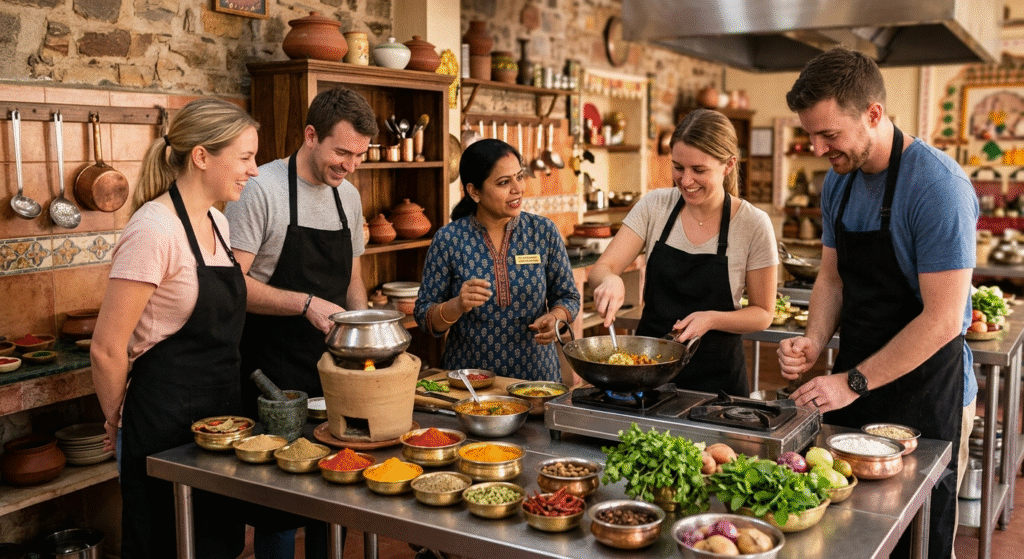
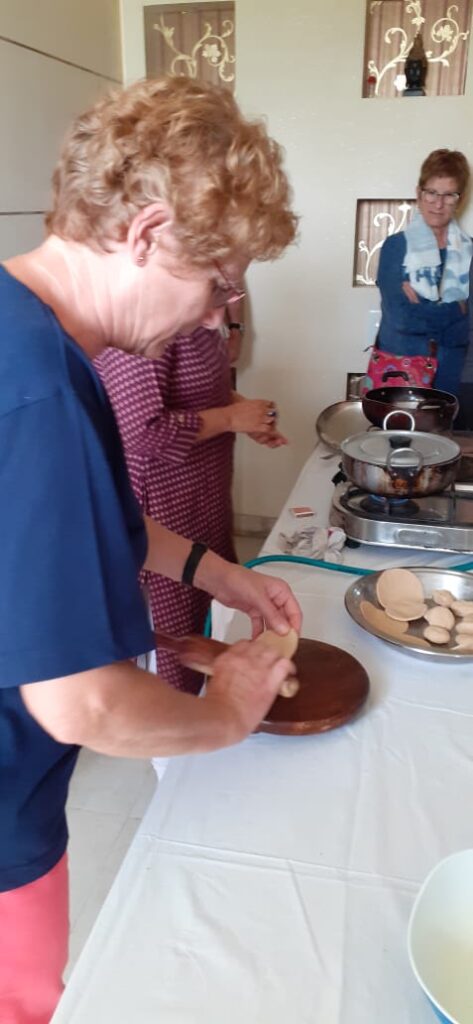
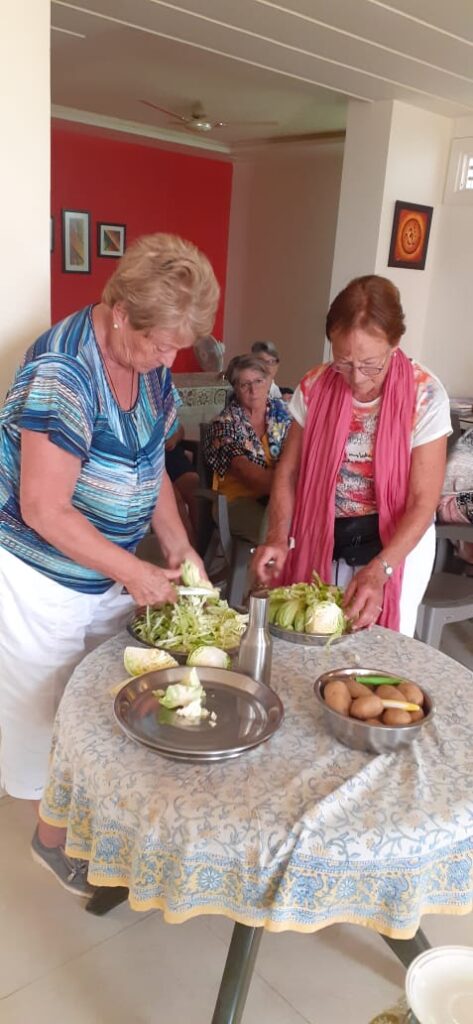
While tasting local dishes at historic restaurants is incredible, there is nothing quite like stepping into an authentic Indian kitchen to learn the secrets yourself. Hands-on cooking workshops have become one of the most beloved activities for visitors.
During an interactive cooking class, guests get to:
How and Where Food is Enjoyed Across India
Food in India is a deeply social and spiritual experience, governed by the philosophy of Atithi Devo Bhava (The Guest is God).
- Regional Variety: Northern India is famous for tandoori breads, rich gravies, and paneer; Eastern India celebrates freshwater fish and mustard oil; Western India offers tangy coastal curries; and Southern India is beloved for fermented rice crepes (Dosa), lentils (Sambar), and coconut-infused dishes.
- Traditional Eating: Food is traditionally eaten using the right hand, an act that connects all five senses to the meal, enhancing mindfulness and digestion.
- Feasting & Celebrations: Meals are often served on traditional banana leaves or metal platters (Thali), featuring a balanced assortment of sweet, salty, sour, spicy, bitter, and astringent flavors.
Experience Culinary Delights with Tours on Demands
If you are eager to taste authentic regional flavors, explore bustling spice bazaars, and participate in exclusive hands-on cooking classes hosted by expert local chefs, Tours on Demands—founded by Bhanu Pratap Kulshrestha—is here to craft your dream journey with 100% customizable, private tour packages designed around your personal taste and travel preferences.

Comments